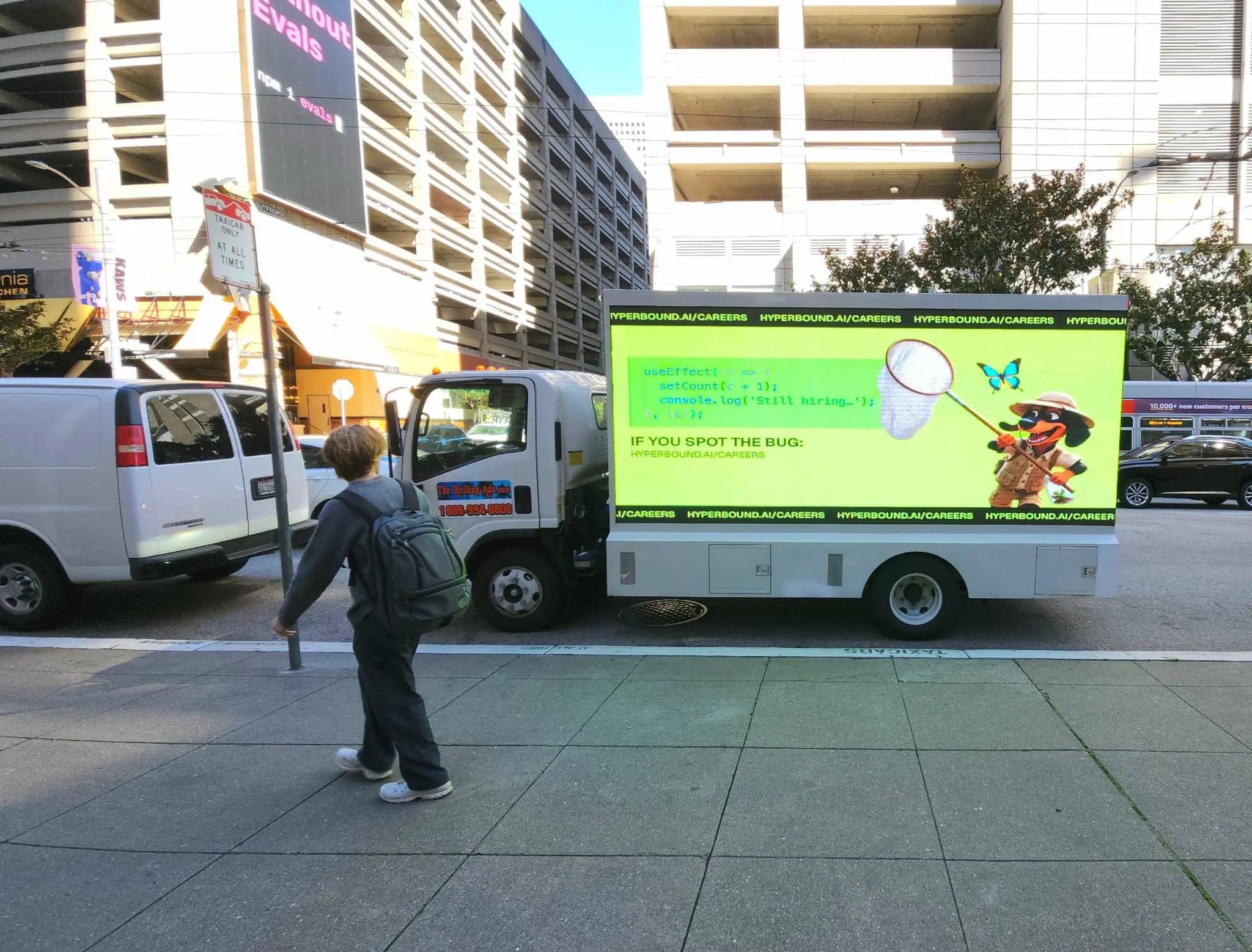
Best Time of Day to Run a Mobile Billboard Campaign
A mobile billboard can be in front of thousands of people in a single day, but when your truck is on the road can be just as important as what appears on the screen.
The right timing puts your advertisement in front of the right audience when they are actually out, commuting, shopping, dining, attending events, or simply spending time in busy areas. The wrong timing can mean driving through streets when your target customers are elsewhere or when traffic and pedestrian activity are at their lowest.
So, what is the best time of day to run a mobile billboard campaign?
The short answer is: it depends on your audience, location, campaign objective, and daily traffic patterns. However, there are several time windows that consistently offer valuable opportunities.
Why Timing Matters in Mobile Billboard Advertising
Traditional billboards remain in one location, which means advertisers have limited control over when specific audiences see them. Mobile billboards offer a different advantage: the advertising message can move with the audience. That flexibility makes campaign timing especially important. A carefully planned mobile billboard schedule can help you:
- Reach commuters during peak travel period.
- Target shoppers when retail areas are busiest
- Promote restaurants around lunch and dinner
- Build visibility around concerts, sports games, and festivals
- Reach nightlife audiences in the evening
- Increase exposure during major local events
- Concentrate impressions during the most relevant hours
Instead of simply asking, “How many people will see the billboard?”, advertisers can ask a more useful question: “When are the people I want to reach most likely to see it?”
The Morning Rush: A Strong Window for Commuter Audiences
For businesses targeting professionals, commuters, and people traveling into commercial districts, the morning rush can be an important part of the campaign. A typical morning campaign may run between approximately 7:00 a.m. and 9:30 a.m., depending on the city and local traffic patterns. During these hours, people may be: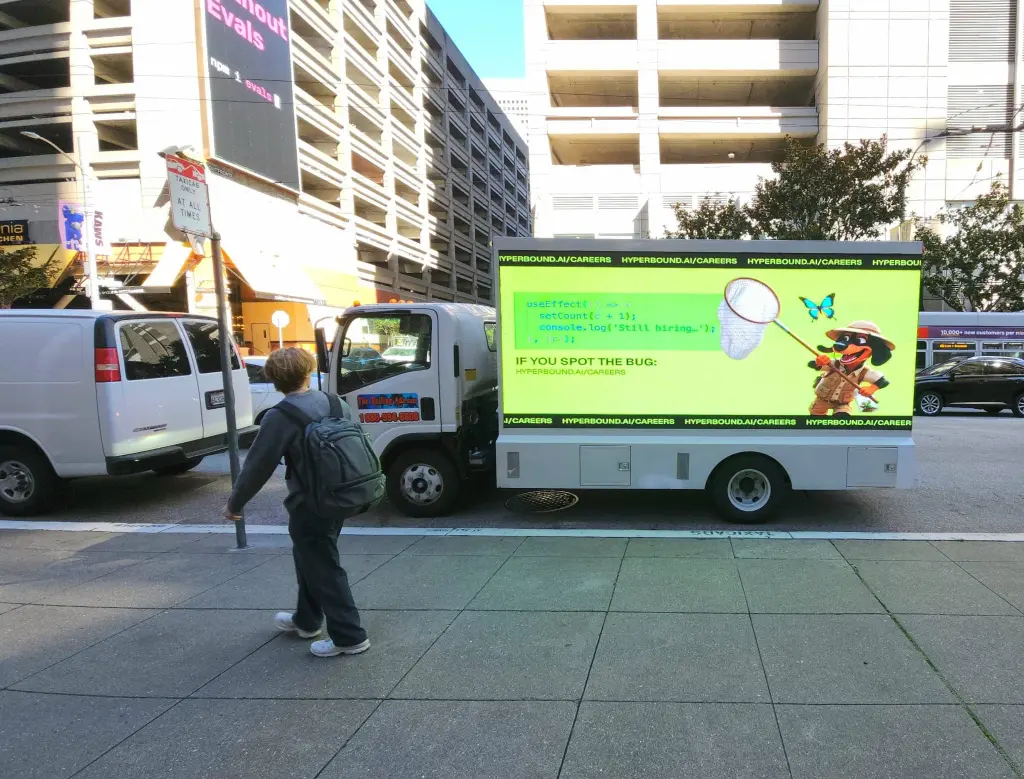
- Driving to work
- Taking public transportation
- Walking through business districts
- Getting coffee or breakfast
- Dropping children off at school
- Entering busy commercial areas
This time can work particularly well for businesses such as:
- Financial services
- Real estate companies
- Professional services
- Coffee shops and breakfast restaurants
- Fitness centers
- Local retailers
- B2B companies
For example, a mobile billboard promoting a new office development could travel through a business district during the morning commute, while a coffee shop may benefit from visibility near commuter routes shortly before the workday begins. You may also be interested in truck billboard advertising in Florida, Texas, California.
Midday Advertising: Reach Shoppers and Local Audiences
The middle of the day can offer a completely different audience. Between approximately 11:00 a.m. and 2:00 p.m., people may leave their workplaces for lunch, run errands, visit stores, or travel between different parts of the city. This makes midday useful for campaigns focused on immediate consumer action.
Midday can be especially useful for:
- Restaurants and cafés
- Retail stores
- Shopping centers
- Local services
- Entertainment venues
- Beauty and wellness businesses
- Limited-time promotions
A restaurant advertising a lunch special, for instance, has a natural reason to put its message in front of people shortly before and during lunchtime. The key is to match the advertising message to the behavior of the audience. A promotion designed for lunchtime customers may have less impact if the truck is reaching the same audience several hours earlier.
The Afternoon: Capture Shopping and Activity
The afternoon can be an effective transition period, particularly in areas where people begin moving away from workplaces and toward shopping, entertainment, and residential neighborhoods. A campaign running between 2:00 p.m. and 5:00 p.m. may be useful for brands that want to build awareness before the evening rush. This period can work well for:
- Retail promotions
- Entertainment announcements
- Event advertising
- Restaurant promotions
- New product launches
- Local business campaigns
For event-based advertising, the afternoon can also provide a useful opportunity to build anticipation before people arrive at the venue.
Evening Rush: One of the Most Valuable Advertising Windows
For many campaigns, the evening rush can be a particularly important period. From approximately 5:00 p.m. to 7:00 p.m., roads, entertainment districts, shopping areas, and restaurant zones can become highly active as people leave work and begin their evening activities.
This makes the period valuable for campaigns targeting consumers who are:
- Heading home
- Going to dinner
- Meeting friends
- Shopping
- Attending entertainment
- Traveling to events
Restaurants, entertainment companies, retailers, real estate brands, and event organizers can all use this time strategically. A mobile billboard promoting a concert, for example, can travel through busy entertainment and dining areas shortly before the event begins, creating additional exposure among people already in an active social environment.
Evening and Nightlife Campaigns
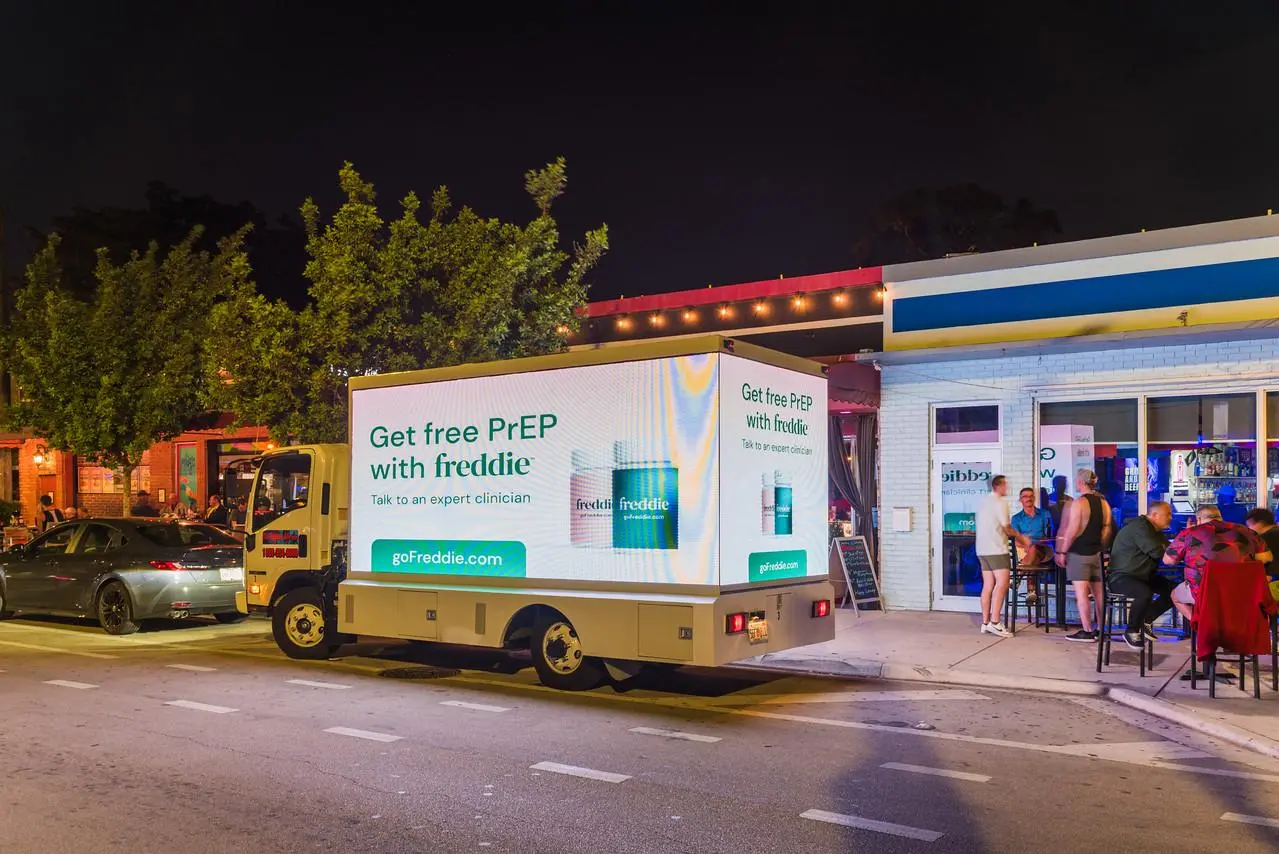
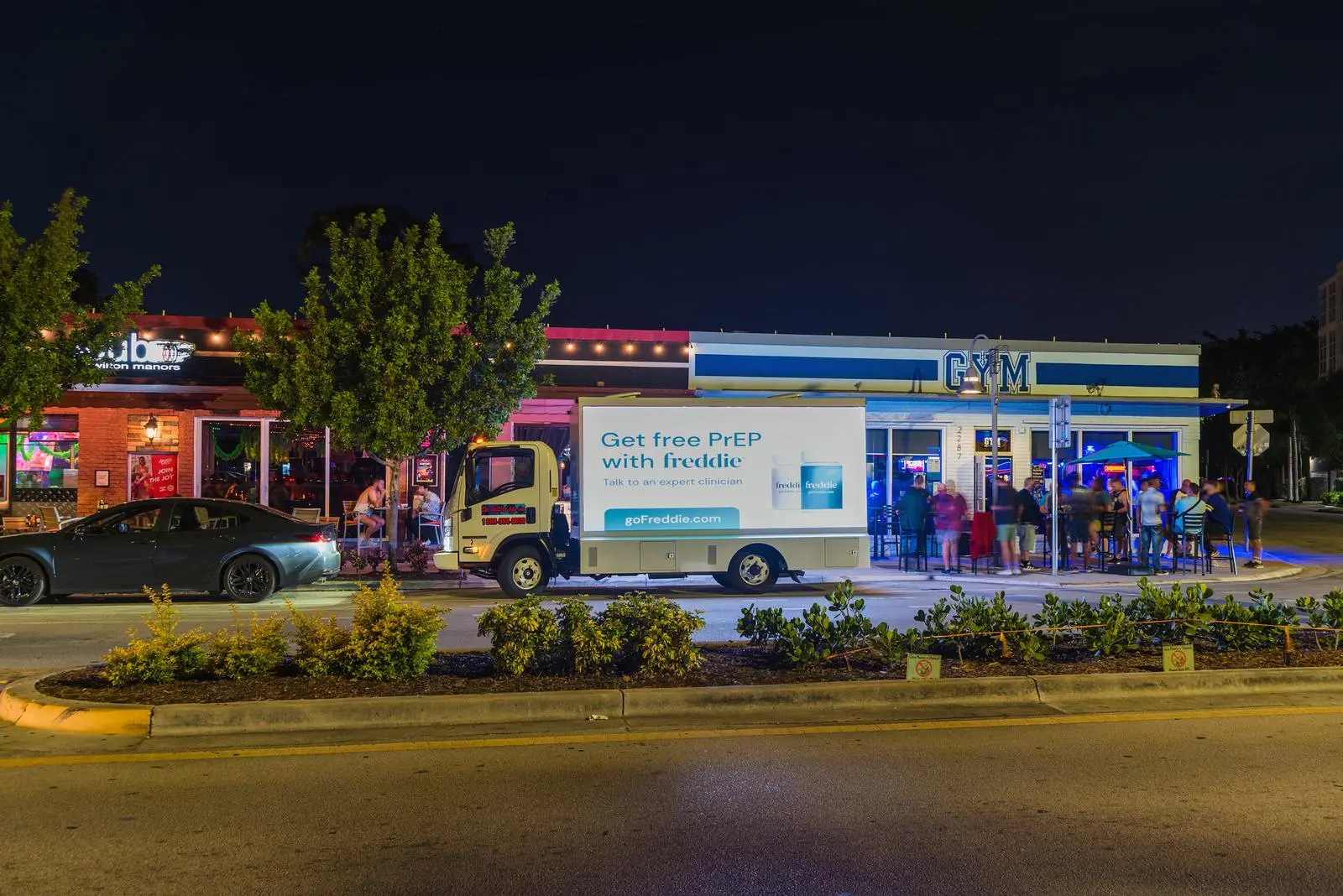
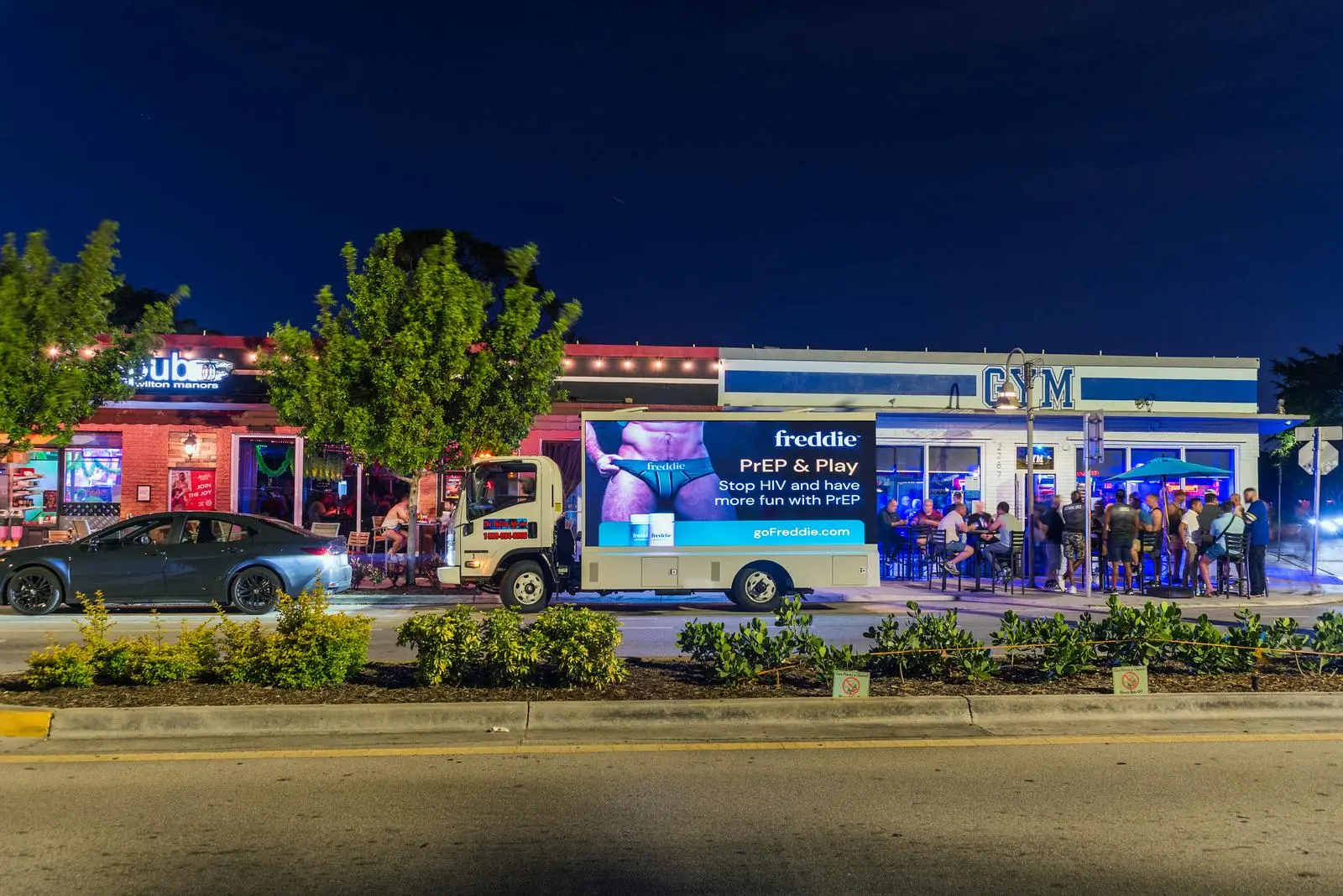
Not every campaign should end when the workday does. For businesses targeting nightlife audiences, an evening campaign may be more relevant than a morning campaign. Advertising between 7:00 p.m. and 10:00 p.m. can help brands reach people in areas with active nightlife, restaurants, bars, theaters, concerts, and other evening destinations. This can be particularly relevant for:
- Restaurants
- Entertainment venues
- Concerts and festivals
- Movie theaters
- Nightlife businesses
- Special events
- Tourism-related businesses
The important consideration is not simply how many people are on the road, but where those people are going and what they are likely to do next.
The Best Time Depends on Your Campaign Goal
There is no universal “best hour” for every mobile billboard campaign. Your ideal schedule should start with the objective of the campaign.
| Campaign Goal | Potentially Useful Time |
|---|---|
| Reach commuters | Morning and evening rush |
| Promote breakfast | Early morning |
| Drive lunch traffic | Late morning to early afternoon |
| Promote retail offers | Afternoon and early evening |
| Promote dinner | Late afternoon and evening |
| Build event awareness | Before and during the event |
| Reach nightlife audiences | Evening |
| Promote a business opening | Several high-traffic periods |
| Build general brand awareness | Multiple time windows |
These are starting points rather than fixed rules. Actual performance depends on the city, route, audience, season, traffic conditions, and campaign creative.
Don’t Forget About Weekdays vs. Weekends
Time of day is only one part of the scheduling equation. A weekday campaign can behave very differently from a weekend campaign.
Weekdays
Weekdays can be useful for reaching:
- Office workers
- Commuters
- Business professionals
- Students
- Local residents during daily routines
Morning and evening commute periods may be particularly relevant for campaigns targeting working audiences.
Weekends
Weekends can shift the audience toward:
- Shoppers
- Families
- Tourists
- Restaurant customers
- Entertainment audiences
- Event attendees
For weekend campaigns, routes through shopping districts, tourist destinations, entertainment areas, and event locations may be more relevant than traditional commuter routes.
Events Can Change the Entire Schedule
One of the biggest advantages of mobile billboard advertising is the ability to coordinate campaigns with events. A concert, sports game, festival, convention, grand opening, or community event can temporarily change where large groups of people are located.
Instead of following a standard daily schedule, advertisers can build a route around the event itself. For example, a campaign could:
- Reach nearby neighborhoods several hours before the event.
- Move toward the venue as attendance increases.
- Operate around entrances and surrounding high-traffic areas when appropriate.
- Continue through nearby entertainment districts after the event.
- This approach can make the campaign feel more connected to what is happening in the city.
Weather and Seasonal Factors Matter Too
Weather and seasonal context should be part of any scheduling plan, not an afterthought. Audience behavior shifts with the season and the day-to-day conditions. Weather changes, school terms, holidays, tourism cycles, and local events can all influence when and where people are present. A route that performs well on a sunny Saturday afternoon may draw a different crowd on a winter weekday morning.
When planning an advertising schedule, it helps to account for seasonal traffic patterns, local weather, holiday periods, tourism seasons, school calendars, major events, business district activity, and local traffic conditions. The closer the schedule matches real audience movement, the more intentional and effective the campaign planning becomes.
How to Choose the Right Schedule for Your Campaign
Choosing a campaign schedule starts with a few practical decisions. The goal is to match your message to the people you want to reach, the places they spend time, and the moment they’re most open to acting. If the timing is off, even a strong creative message can land when it no longer feels relevant, and you end up paying for impressions that don’t translate into results.
First, get clear on who you’re trying to reach. “General public” is usually too broad to be useful when you’re setting a schedule. Try to define the audience in concrete terms based on what they’re doing and what they care about. Are you aiming for commuters moving through transit corridors, families running weekend errands, students around campuses, tourists near major attractions, shoppers in retail districts, business professionals near offices, or nightlife crowds in entertainment areas? The more specific you can be, the easier it becomes to choose time windows that match their routine.
Next, consider where that audience actually is during the day. Scheduling works best when it lines up with real movement patterns, not just a citywide assumption. Think in terms of neighborhoods, streets, commercial centers, venues, and destinations your audience uses. That might include commuting routes, business districts, shopping streets, stadium areas, dining clusters, or particular blocks known for foot traffic. If your message is tied to a physical location, it’s also worth separating “where people live” from “where they make decisions,” since those aren’t always the same.
Then define what action you want people to take. Your schedule should support a single clear objective rather than a mix of vague goals. The action might be visiting a store, scanning a QR code, attending an event, learning about a product, visiting a website, remembering your brand, or making a purchase. Each of those requires a different level of urgency and attention, and that changes when the message should run. For example, an event-focused message usually benefits from proximity to the event time, while a brand reminder might tolerate a broader schedule but still performs better when it appears in relevant moments.
Finally, think about when that action is most likely to happen. This is where scheduling becomes more than a checklist item. If you want someone to go to a restaurant for dinner, running the ad several hours after dinner isn’t very helpful because the decision window has passed. If you’re promoting something happening the same evening, an afternoon or early-evening schedule may fit better because it reaches people while they’re still making plans. The right timing is the point where your audience is present, the message makes sense in context, and the next step is easy to take right away.
Should You Run Your Billboard All Day?
Not necessarily.
Running a mobile billboard throughout the entire day can provide broad exposure, but concentrating your campaign during strategically selected time periods may make more sense for certain budgets and objectives. Instead of spreading impressions evenly across the day, you can focus on periods when your target audience is most active. A campaign might use:
- Morning commuter hours
- Lunch hours
- Afternoon shopping periods
- Evening rush
- Event-specific windows
The right approach depends on the campaign’s goals and available budget.
Track Performance and Adjust Your Schedule
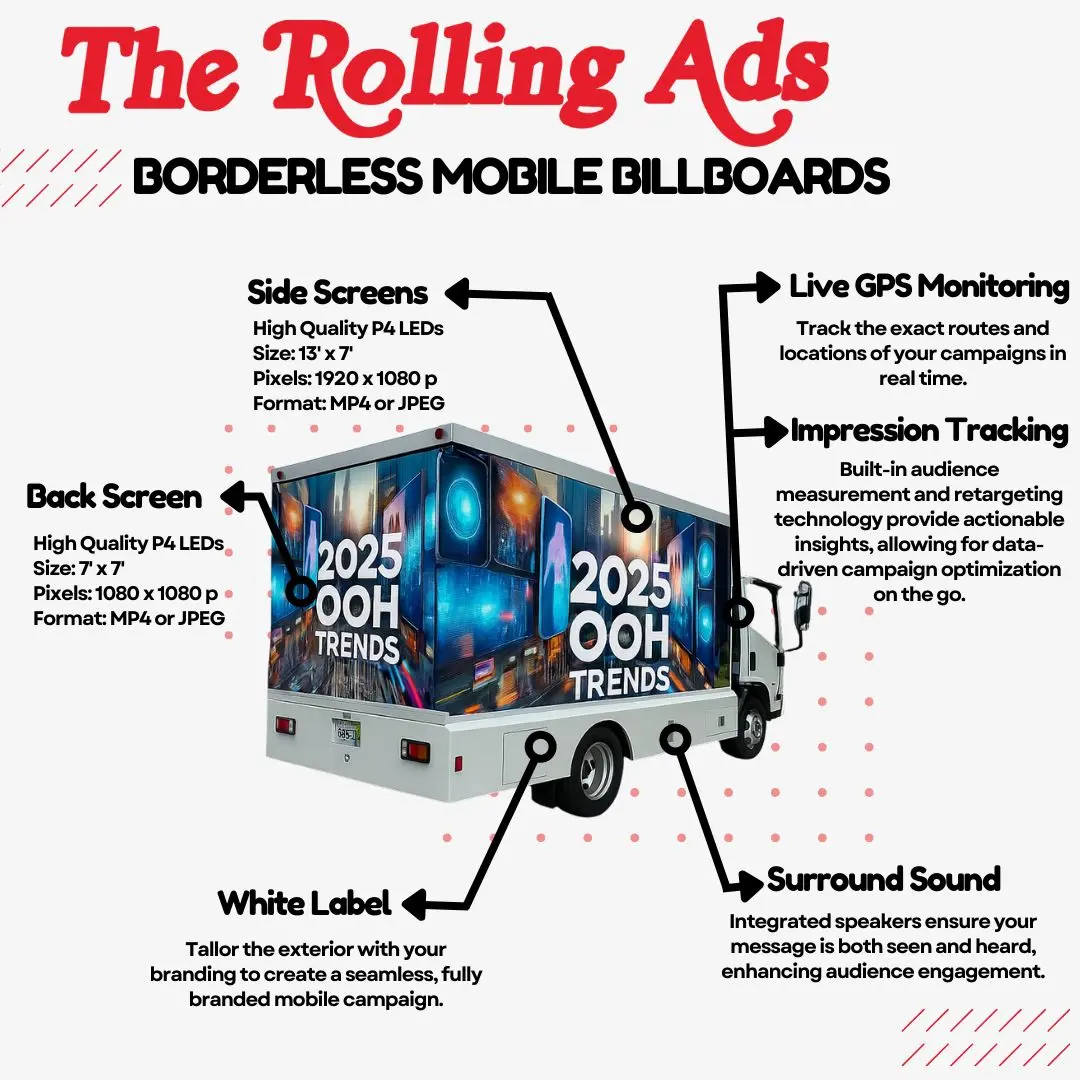
A successful campaign should not be treated as “set it and forget it.” If your campaign includes tools such as GPS tracking, impression measurement, or QR codes, use the available data to understand how the campaign performs. Look for patterns such as:
- Which routes generate the most exposure
- Which time periods receive the strongest engagement
- Which locations produce more QR scans
- Which days perform differently
- Whether event-based routes generate additional interest
You can then use those insights to refine future campaigns.
Final Thoughts
The best time of day to run a mobile billboard campaign is ultimately the time when your specific audience is most likely to be in the right place and ready to notice your message. Morning hours can help reach commuters. Midday can connect brands with shoppers and lunch crowds. Afternoon can build awareness before evening activities, while evening campaigns can reach people heading to restaurants, entertainment venues, and events.
The most effective strategy is not simply choosing the busiest hour. It is matching the time, route, message, and audience to the goal of your campaign.
Ready to put your brand on the move? Plan your mobile billboard campaign with a strategic route and schedule designed around your target audience. Contact The Rolling Ads today to discuss your campaign goals, creative, routes, and timing.