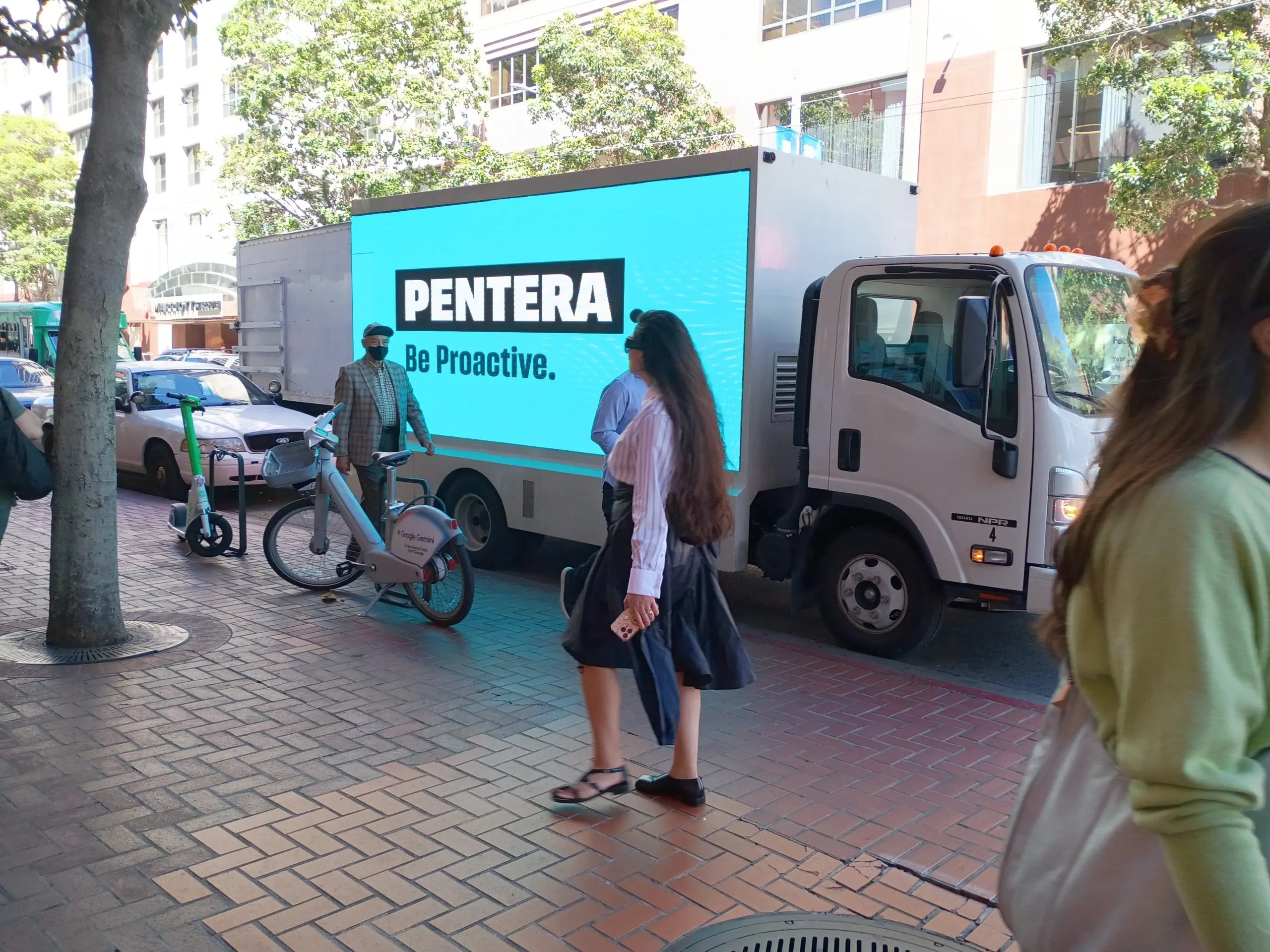
Mobile Billboard vs. Static Billboard Advertising: Which Gets Better ROI in 2026?
Quick answer: for campaigns shorter than four weeks, need to reach more than one neighborhood, or launch on short notice, a mobile billboard wins on cost per impression and speed. For a brand that wants twelve straight months of presence on one fixed, high-traffic intersection and doesn’t need flexibility, a static bulletin can still be the cheaper long-term buy. The two formats solve different problems, and most of the confusion in this comparison comes from treating them as interchangeable.
Here’s where the numbers actually land.
The real cost gap
A static bulletin (the large highway billboard format) runs $1,500 to $15,000+ per four-week cycle in major metros, and that’s before production. Printing the vinyl adds $500 to $1,500 on top: a standard 14′ x 48′ bulletin print costs roughly $500 on its own, plus $200 to $1,000 for installation. Want to swap the creative mid-campaign? That’s a second print-and-install cycle, not a software update.
A mobile billboard truck runs $500 to $1,500 per 8-hour day, or $14,000 to $28,000 for a full month on an LED truck. There’s no separate production line item for digital creative changes, and the route isn’t locked to whatever intersection happened to have an available structure.
| Mobile billboard (LED truck) | Static bulletin | |
|---|---|---|
| Typical cost | $500-$1,500/day, $14,000-$28,000/month | $1,500-$15,000+/4-week cycle |
| Production cost | Included (digital creative) | $500-$1,500 extra per print |
| Minimum commitment | Single day | 4 weeks (standard OOH contract minimum) |
| Creative changes mid-campaign | Instant, remote | New print + reinstall required |
| Location | Goes to the audience, route changes daily | Fixed for entire contract |
| Best measured by | Live impression count, GPS route data | Estimated traffic counts (DOT data) |
Why static still wins in one specific scenario
There’s a case where the bulletin comes out ahead: a business that owns one geography for the long haul and wants the same message seen by the same commuters for six to twelve months straight. Locking a 6-to-12-month static contract typically brings the rate down 10-15% or more versus month-to-month, and once it’s up, there’s nothing to manage. No route planning, no daily logistics.
That works for a car dealership on the one highway everyone in town already drives, or a hospital system that wants quiet, permanent brand presence. It does not work for a product launch, a grand opening, a trade show, or any campaign where the audience is defined by an event or a neighborhood rather than a single road. You may also be interested in truck billboard advertising in Florida, Texas, California.
Flexibility is the actual differentiator, not “digital vs. physical”
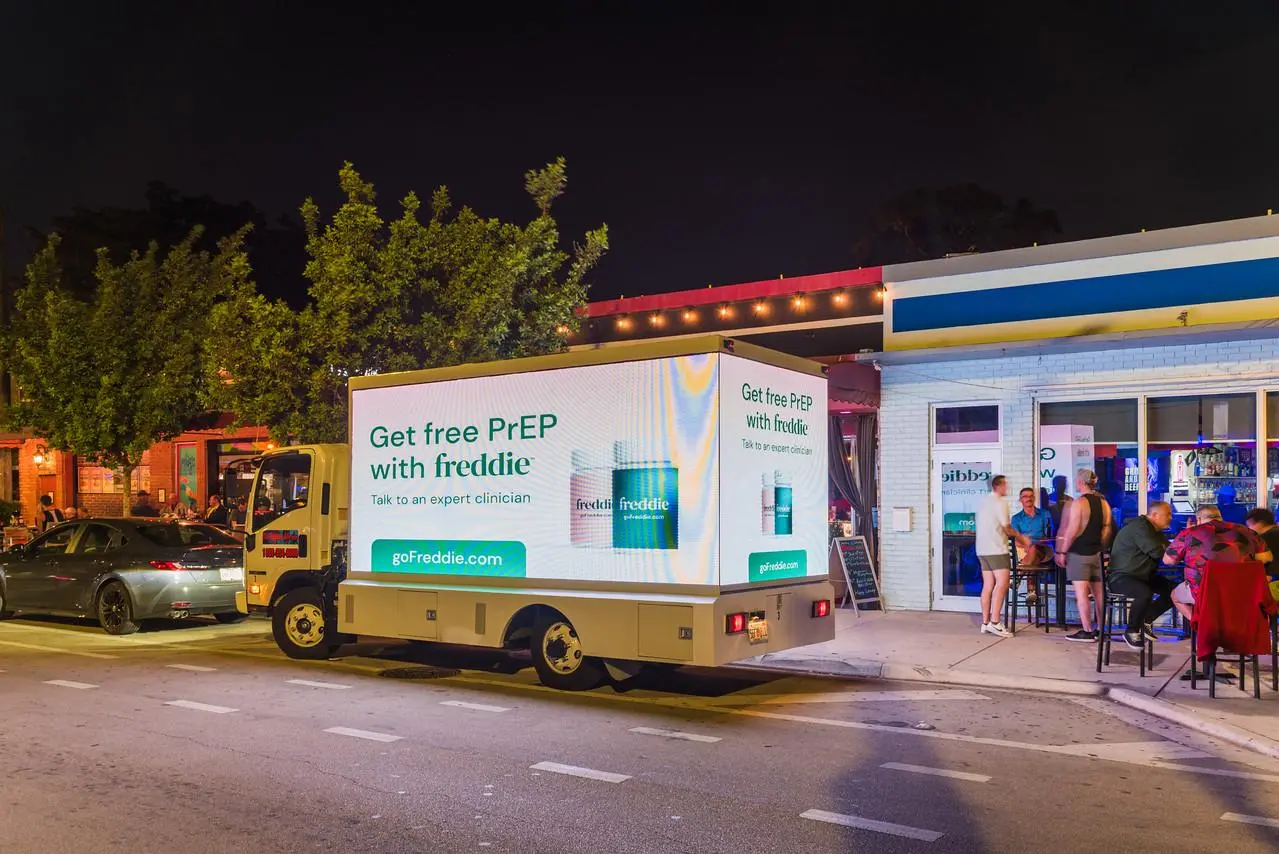
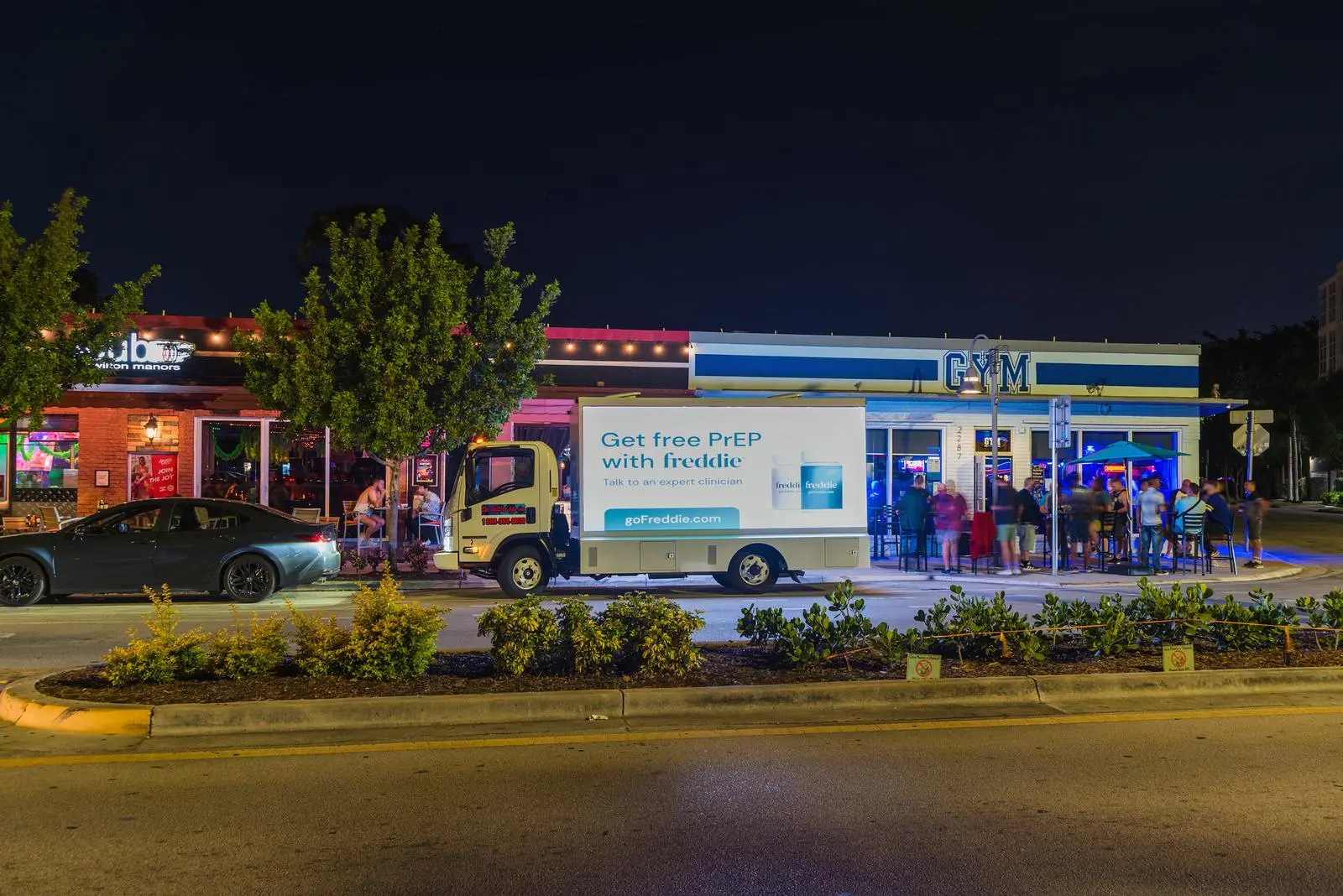
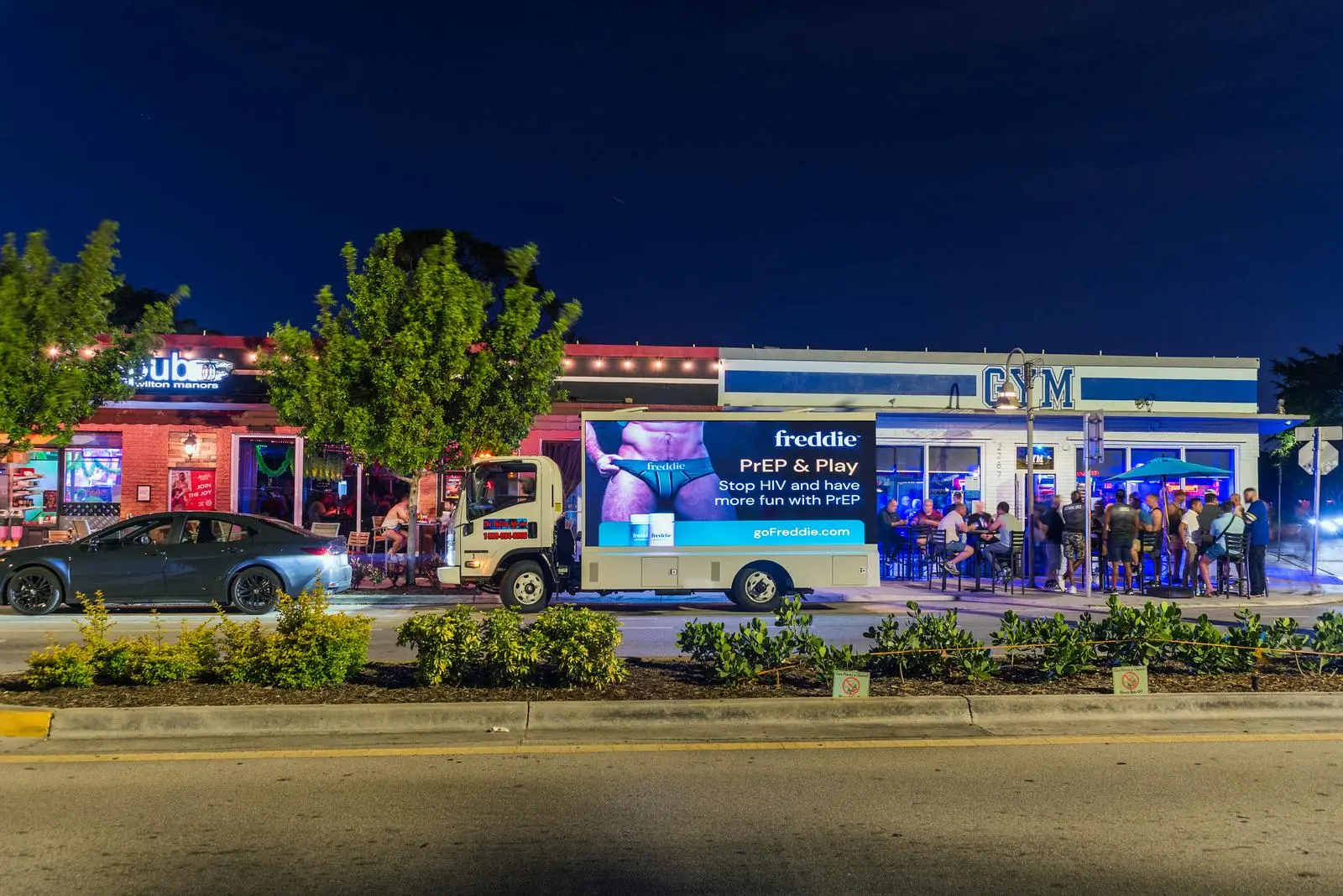
The comparison people expect is LED screen versus printed vinyl. The comparison that actually matters is fixed location versus mobile audience-following. A mobile billboard can circle a downtown core during a Tuesday lunch rush, then reposition for a stadium exit at 9 PM the same day. A static board reaches whoever happens to drive past it, whether or not that’s the target audience on any given day.
That flexibility is also why mobile billboards run a lower CPM in dense markets: roughly $1-$5, compared to $20-$40 for TV and $5-$15 for social with declining organic reach. A single mobile billboard can generate between 30,000 and 200,000 daily impressions depending on the route and market, and because the route is built around the campaign instead of around whatever structure was available for lease, fewer of those impressions are wasted on the wrong audience.
What each format actually measures
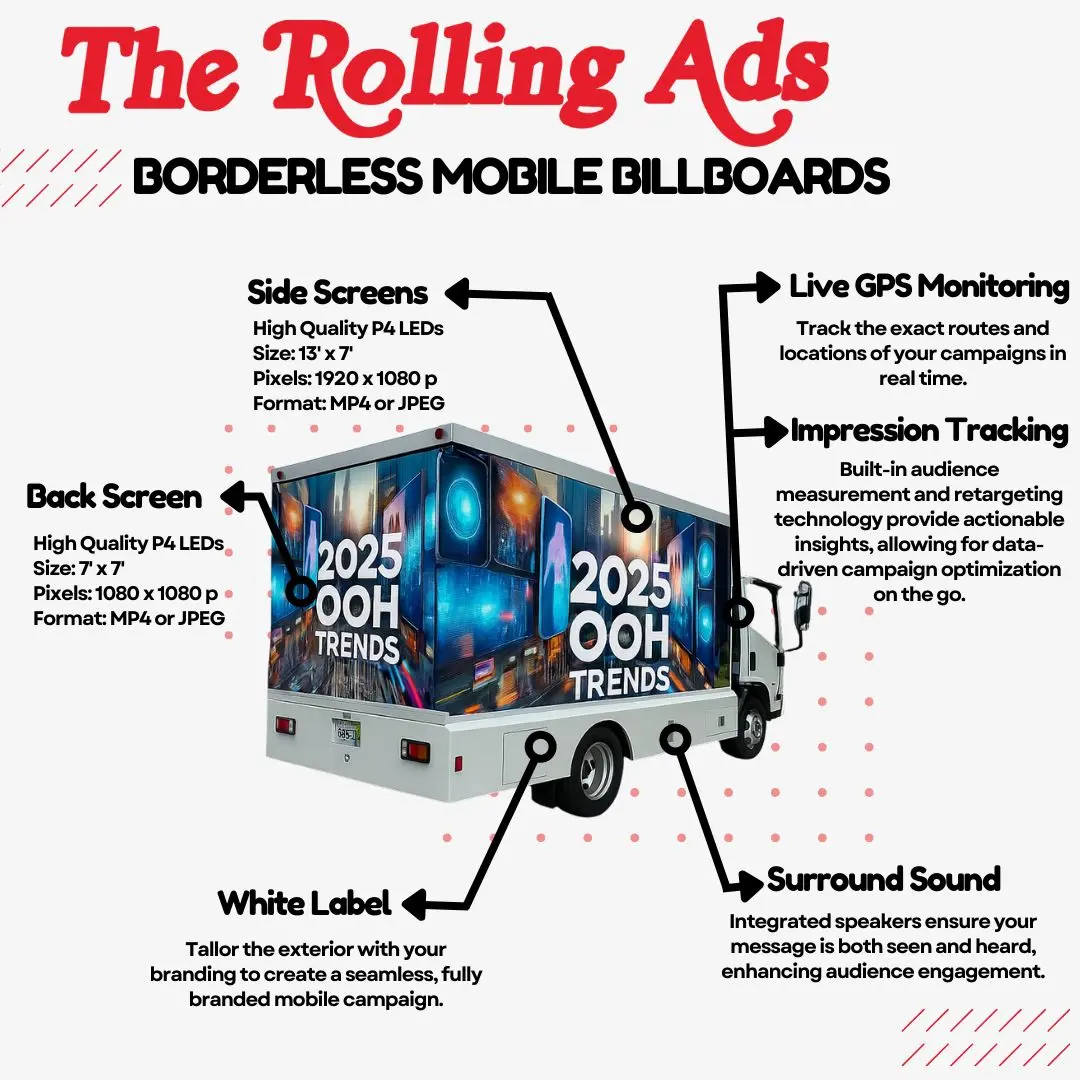
This is where most comparisons stop short. Static billboard “traffic counts” come from DOT vehicle data for the road segment, an estimate of how many cars pass, not how many people saw the ad. A mobile billboard with built-in impression-counting technology and GPS live tracking reports where the truck actually went and roughly how many people were in view, which means a client can see the campaign work in real time instead of trusting a static traffic study run once a year.
Ad recall backs this up: studies show mobile billboards produce recall around 97%, against roughly 58% for digital ads and lower for billboards people have driven past every day for months. Familiarity breeds blindness. A board that’s been on the same corner since spring becomes part of the scenery; a truck that shows up somewhere new each day doesn’t get that chance to fade into the background.
🖼️ [Image: side-by-side of a static highway bulletin vs. an LED mobile billboard truck in an urban setting]
Caption: Same message, two different distribution models: one fixed, one following the audience.
When to actually choose static
Static billboards make sense when:
- The budget needs to be locked for 6-12 months with no ongoing management
- The audience genuinely is “everyone who drives this specific road” rather than a defined demographic or event crowd
- There’s already a high-traffic location under long-term lease and switching would mean losing that spot to a competitor
Mobile billboards make more sense when:
- The campaign is shorter than a full quarter
- The target audience is tied to a neighborhood, event, or time window rather than a fixed road
- Real-time performance data (impressions, route, engagement via QR code) matters for reporting back to stakeholders
- Creative needs to change mid-campaign without a reprint
For a deeper breakdown of exactly what drives mobile billboard pricing month to month (market, duration, LED vs. static truck, add-ons), see the full 2026 mobile billboard pricing guide. And if the comparison on the table is mobile billboards against digital channels instead of static OOH, that’s covered separately in Mobile Billboards vs. Google & Meta Ads.
Frequently Asked Questions
Is a mobile billboard cheaper than a static billboard?
Per day, yes, mobile billboards run $500-$1,500 versus a static bulletin’s $1,500-$15,000+ per four-week cycle. Over a long 12-month single-location run, a locked-in static contract can end up cheaper per month, but it loses all flexibility in exchange.
Can a mobile billboard replace a static billboard entirely?
For most campaigns under three months, yes. For a business that wants year-round presence in one fixed spot and doesn’t need to change creative or location, static still has a place.
Which one gets better recall?
Mobile billboards average around 97% recall, largely because the format doesn’t stay in one place long enough to become background scenery the way a static board on a daily commute route can.
Do mobile billboards cost more to produce than static billboards?
No, it’s typically the opposite. Static billboards add $500-$1,500 in vinyl printing and installation on top of the media rate for every creative change; mobile billboard creative updates are digital and don’t carry a separate production cost.
What’s the minimum commitment for each format?
Static billboard contracts typically start at a 4-week minimum. Mobile billboards can be booked for a single day.