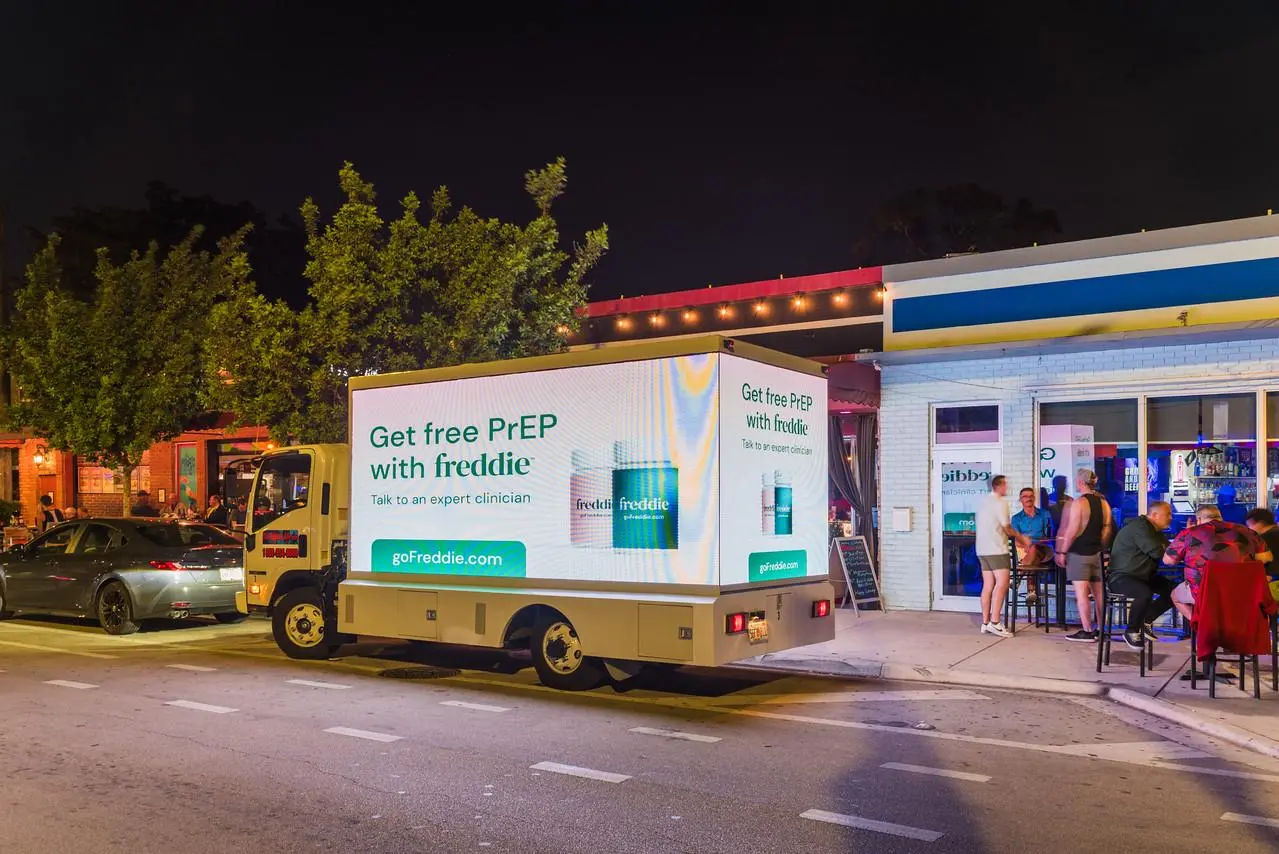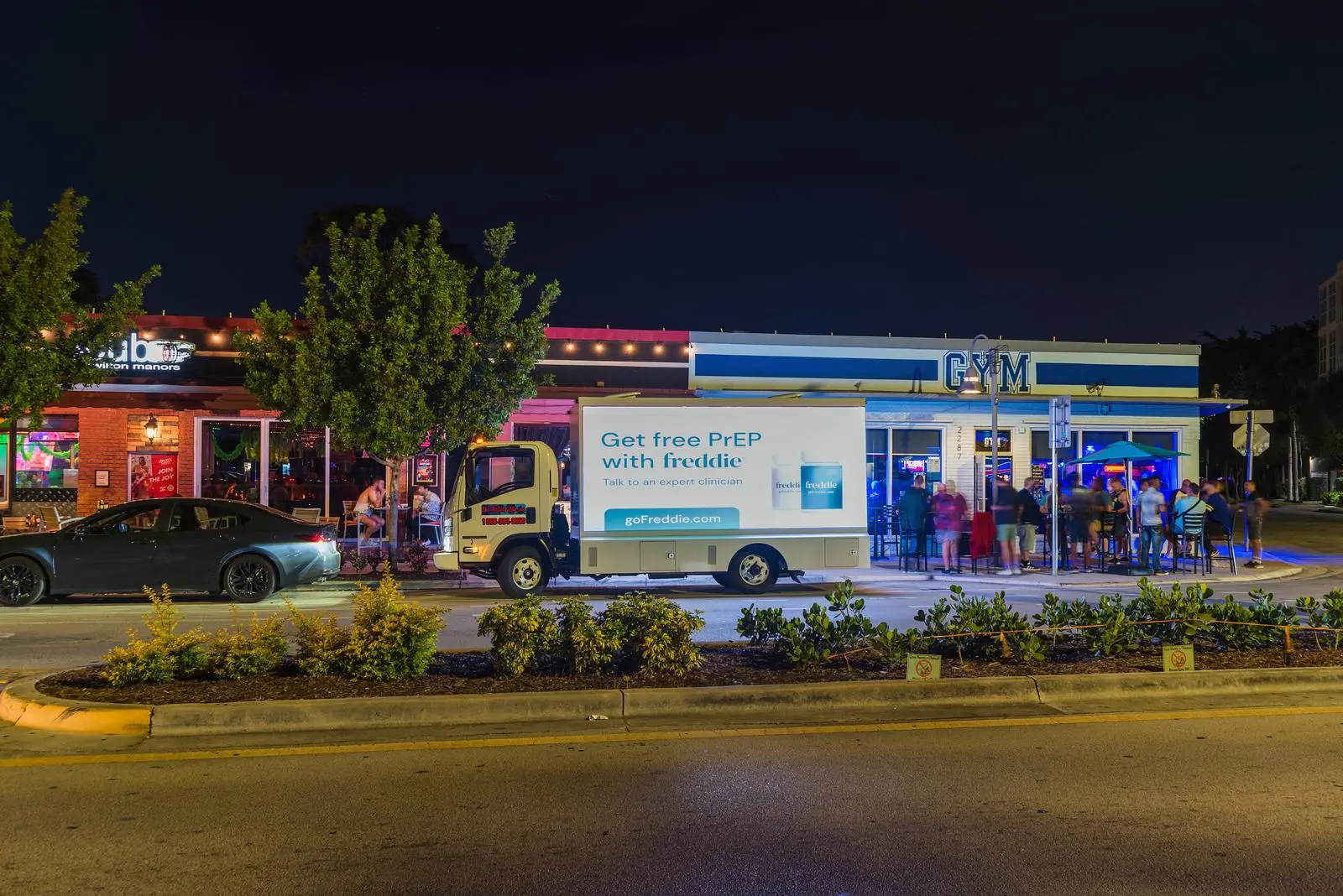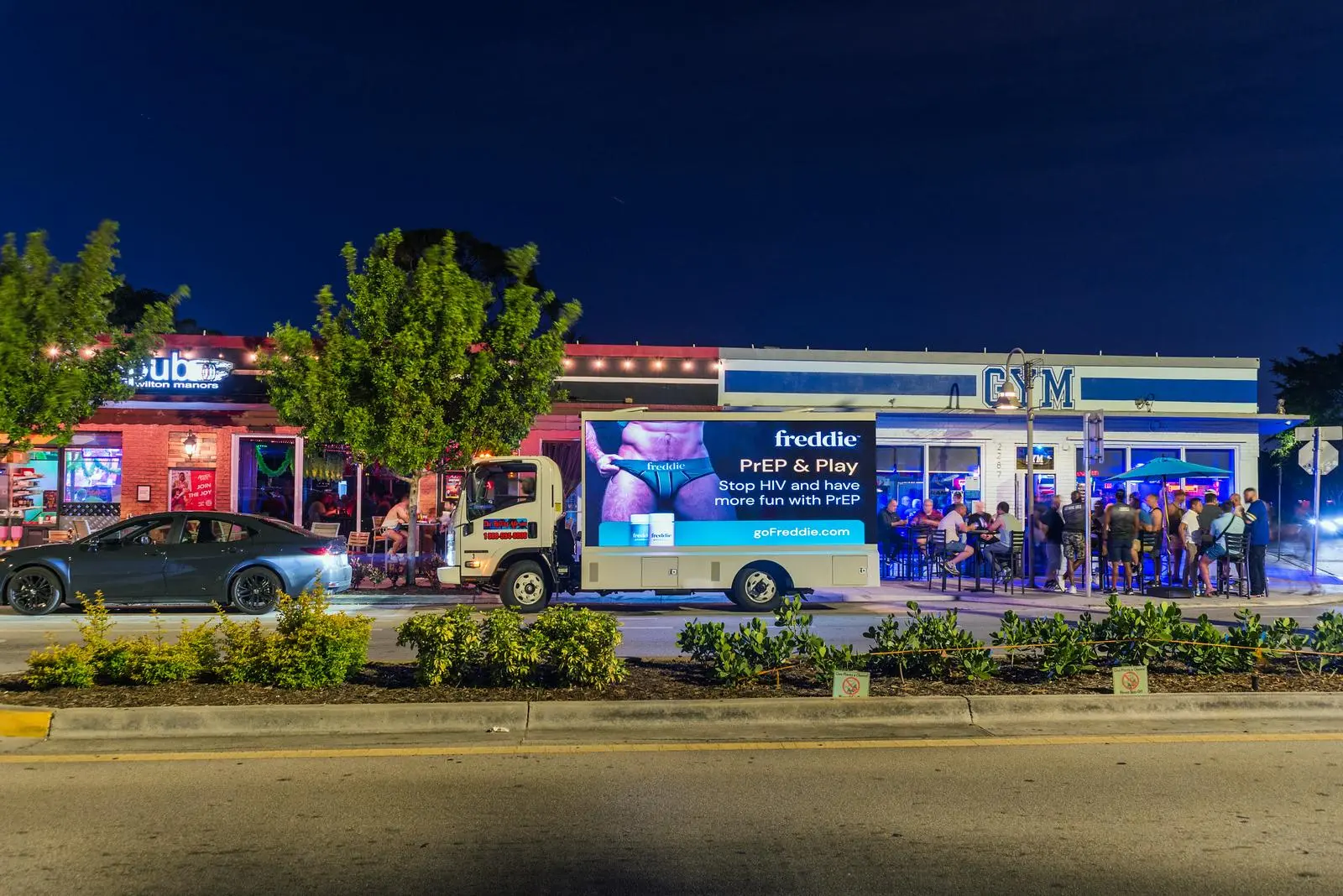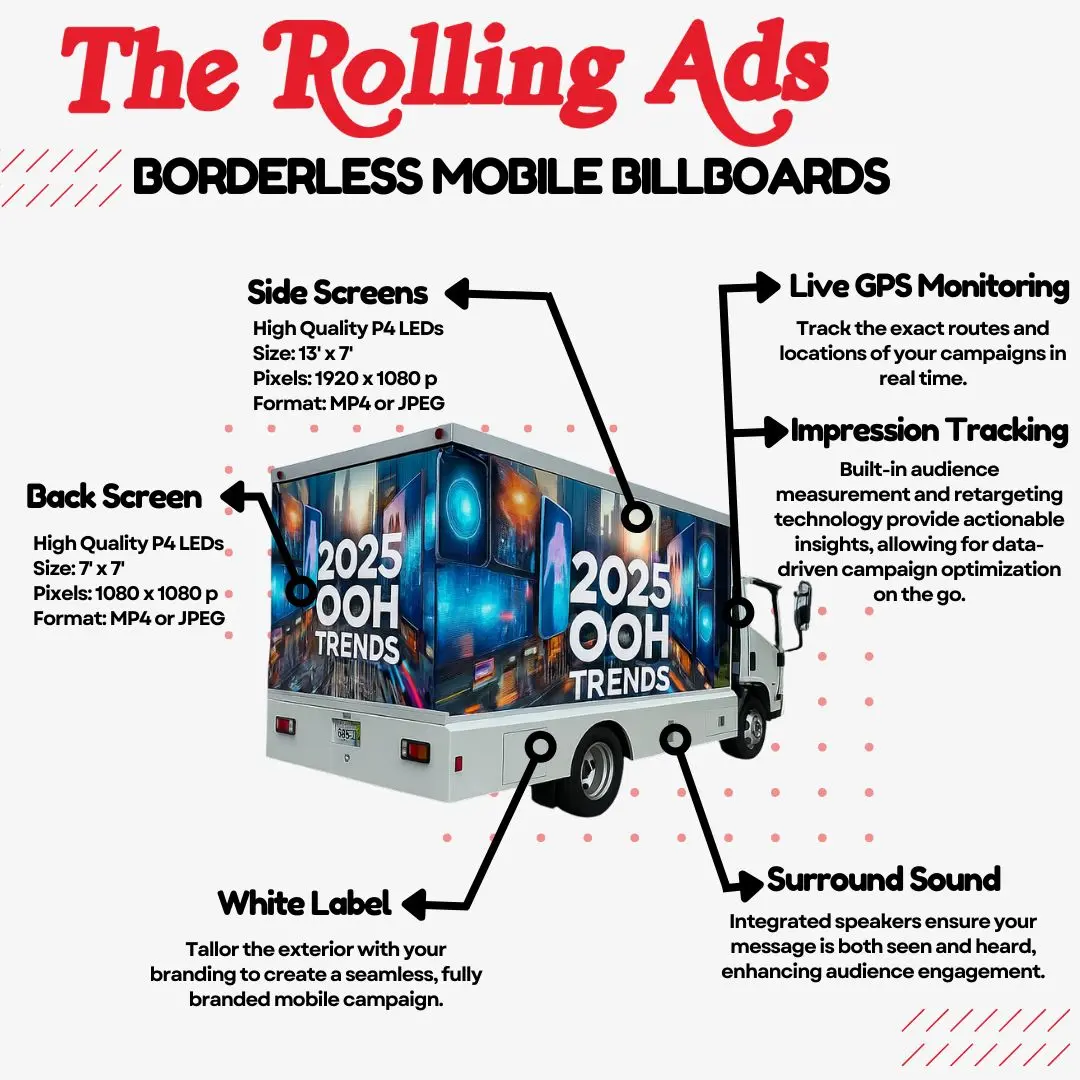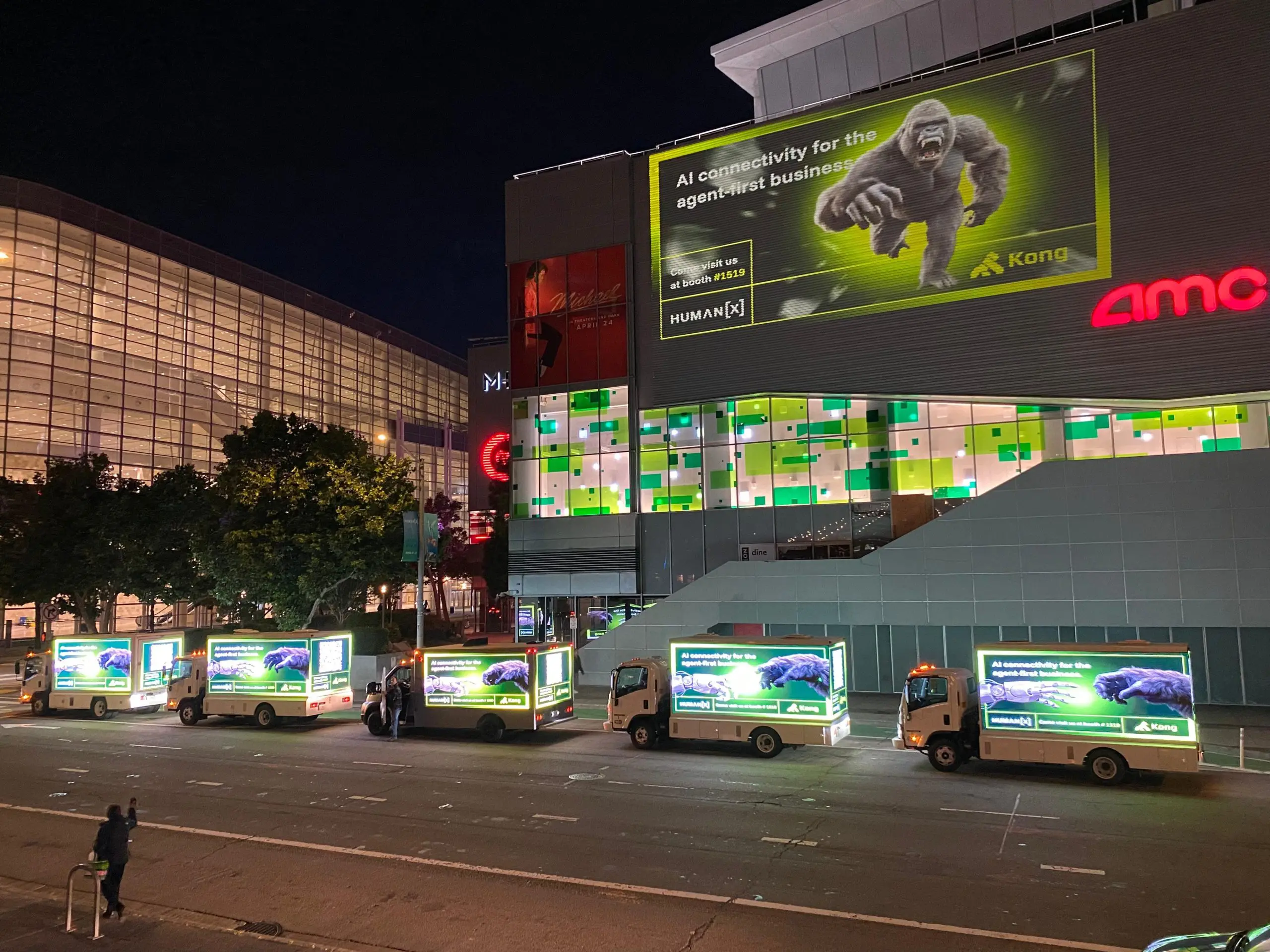
A mobile billboard works for live music because concerts happen at a fixed place and time, and the audience moves through predictable streets before and after the show. An LED truck can announce a tour on the day tickets go on sale, run the nightlife districts the week before a show, and park near the venue entrance while fans are lining up. It works best when every message has a date on it. It works worst as a vague “coming soon” ad driving around a city that hasn’t heard of the artist yet.
This guide is for promoters, venues, artists and labels, and also for the local businesses that want a piece of the concert crowd: bars, restaurants, rideshare and parking services, hotels. Each group uses the truck differently.
Four Moments in a Show’s Life Where a Truck Pays Off
1. The on-sale announcement
The first 48 hours after tickets go on sale decide how much of the venue sells at full price. A truck running through the neighborhoods where the artist’s fans actually live (college areas for one act, suburbs for another, arts districts for a third) with the date, venue and a QR code to the ticket page turns a social media announcement into something people see in the street and photograph. The photos often travel further than the truck.
2. The final push for soft dates
Every tour has a few dates that sell slower than the rest. A week or ten days before the show, a targeted campaign in that one market is a cheaper fix than another round of broad paid social, and it puts the message in front of people who scroll past ads. Keep the message urgent and specific: “Saturday. The Fillmore. Last tickets.”
3. Show day at the venue
On the day itself, the truck shifts from awareness to logistics and sales. Parked near the entrance or on the main walking route from parking and transit, the screens can push merch pre-orders, the after-party location, the opening act’s new single or a sponsor’s activation. Fans arrive one to three hours early and stand in line with nothing to look at, which gives a screen far more dwell time than a busy intersection does.
4. After the show
Egress is the second best window of the night. Thousands of people leave at the same time, and many are still deciding where to go next. That is the moment for a nearby bar’s “show your ticket for a free drink” message or a parking company’s pickup instructions.
Who Uses Concert Trucks, and What They Put on the Screen
| Advertiser | Best timing | What goes on the screen |
|---|---|---|
| Promoter or venue | On-sale day, then 7 to 10 days before slow dates | Artist, date, venue, QR to tickets |
| Artist or label | Album or single release week, tour launch | Release art, short video loop, streaming QR |
| Festival | Lineup drop, last ticket tier, festival week in the host city | Headliners, dates, price tier deadline |
| Bar or restaurant near the venue | Show day, 2 to 3 hours before doors and right after the show | Pre-show special, distance in minutes, address |
| Rideshare, parking, hotels | Show day, arrival and egress | Pickup zone, booking code, “two blocks away” |
A bar three blocks from an arena is often the advertiser who gets the clearest return. Its audience walks right past the truck, the offer is easy to redeem the same night, and it can count the free drinks.
Festivals Are a Different Problem
Large festivals usually sit on private or permitted grounds with a security perimeter, so a truck can’t simply park at the gate. The festival itself controls advertising inside and around its footprint, and sponsorship deals often include exclusivity. If you are not the festival or one of its sponsors, plan your route around the city, not the gates: hotel zones where festival guests stay, the main roads between the festival and downtown, nightlife districts during the festival weekend.
For the festival organizer, the truck’s best job is earlier in the year. A lineup announcement on wheels during the weeks when early tiers sell out drives urgency in the host city and in the two or three cities that send the most attendees.
Designing a Concert Ad for an LED Truck
Fans read a truck ad in a few seconds, often while walking or driving. The rules from our guide to making drivers remember your ad apply, with a few music-specific twists.
| ❌ Works poorly | ✅ Works well |
|---|---|
| Full tour poster with 30 dates in small type | One city, one date, one venue in large type |
| “Tickets available now” | “On sale Friday 10 AM” or “Last tickets for Saturday” |
| Static photo of the artist | Short loop from the music video or a live clip |
| Long URL to the ticket page | One QR code on the rear screen, sized for scanning from a few car lengths |
| The same creative on show day as a month before | Show-day content: doors time, merch, after-party, pickup zone |
If the artist has an anamorphic or “3D” visual from the album campaign, an LED truck can carry it. We explained how that format works and where it makes sense in our article on 3D anamorphic ads on LED trucks.
Rules to Check Before You Book
- City rules for advertising vehicles. Some cities register mobile billboards, restrict where they can park or ban idling near certain areas. Las Vegas, Los Angeles, Miami and New York all have their own rules, which we summarized in our guide to mobile billboard permits.
- Venue and event zones. Arenas and stadiums control their own lots and frontage. Big events sometimes come with temporary traffic plans that close the streets you’d want to use. Check with the venue or the city a week before.
- The artist’s name and image. A promoter or label running the official campaign has the rights to use them. A bar does not. “Pre-show happy hour tonight, 2 blocks from the arena” is fine. The artist’s photo and logo next to your drink special is an endorsement you don’t have, and it can bring a cease-and-desist letter.
- Sound. Playing music from the truck’s speakers is a public performance that needs licensing, and many cities have noise limits near residential streets. Most concert campaigns run silent video, which is enough.
When to Book and How Long to Run
- On-sale campaigns: 1 to 2 days, starting the morning tickets go live.
- Soft-date rescue: 3 to 5 days in the 10 days before the show, evenings and weekends.
- Show day: a 4 to 6 hour block covering arrival and the end of the show. Doors usually open 60 to 90 minutes before the first act, so start the truck 2 hours before doors.
- Festival season: book early. Trucks in festival cities sell out on the big weekends, just like hotel rooms.
For hour-by-hour planning, see the best time of day to run a mobile billboard campaign.
How to Measure a Concert Campaign
Ticketing gives you something most advertisers don’t have: hourly sales data. Use a dedicated QR code or promo code for the truck, then compare ticket sales in the target market during the campaign days with the days before. For show-day campaigns, count redemptions: free drinks, merch pre-orders, scans of the after-party QR. And watch social mentions. Fans post trucks, especially when the artist reposts them.
Put the Next Show on the Road
Pricing depends on the market, the date and the number of hours, and show nights in big cities book up first. Our 2026 mobile billboard pricing guide explains the main factors. The Rolling Ads runs LED truck campaigns in Los Angeles, Las Vegas, Miami, Houston, Austin, New York and other markets. Send us the venue and the date, and we’ll plan the route around the crowd.
Frequently Asked Questions
Do mobile billboards help sell concert tickets?
Yes, when the ad is tied to a specific date and venue and runs at the right moment: the on-sale day, or the week before a date that is selling slowly. A dedicated QR or promo code shows how many tickets the truck drove.
Can a billboard truck park outside a concert venue?
Often, on public streets near the venue, if local parking and advertising vehicle rules allow it. Venue lots and frontage are private, and big events can bring temporary street closures, so check with the venue and the city in advance.
When should a truck run on concert day?
Start about two hours before doors open, when fans begin arriving and lining up, and come back for the end of the show, when the crowd is deciding where to go next.
Can a local bar advertise near a concert using the artist’s name?
It is safer not to. Mentioning the venue and the show night is generally fine, but using the artist’s name, photo or logo suggests an endorsement and can lead to a legal complaint. Advertise the offer and the distance to the venue instead.
Can a mobile billboard play music?
Some trucks have speakers, but playing recorded music in public requires licensing, and many cities limit noise. Most concert campaigns use silent video, which is enough to catch attention.
Partner with us to drive your brand forward with mobile billboard advertising on trucks. Contact us today to learn more about our services and how we can help elevate your advertising campaign.
Engage a wide audience instantly with captivating ads by leveraging the power of targeted location, the brightest screens on the market with video or static ads, even 3D immersive animation and sound.
We value your inbox as much as you do, so rest assured that we won't clutter it with unnecessary spam. You’ll only hear from us when we have relevant, valuable offers that we think you'll love.
(We do not share your data with anybody, and only use it for its intended purpose)