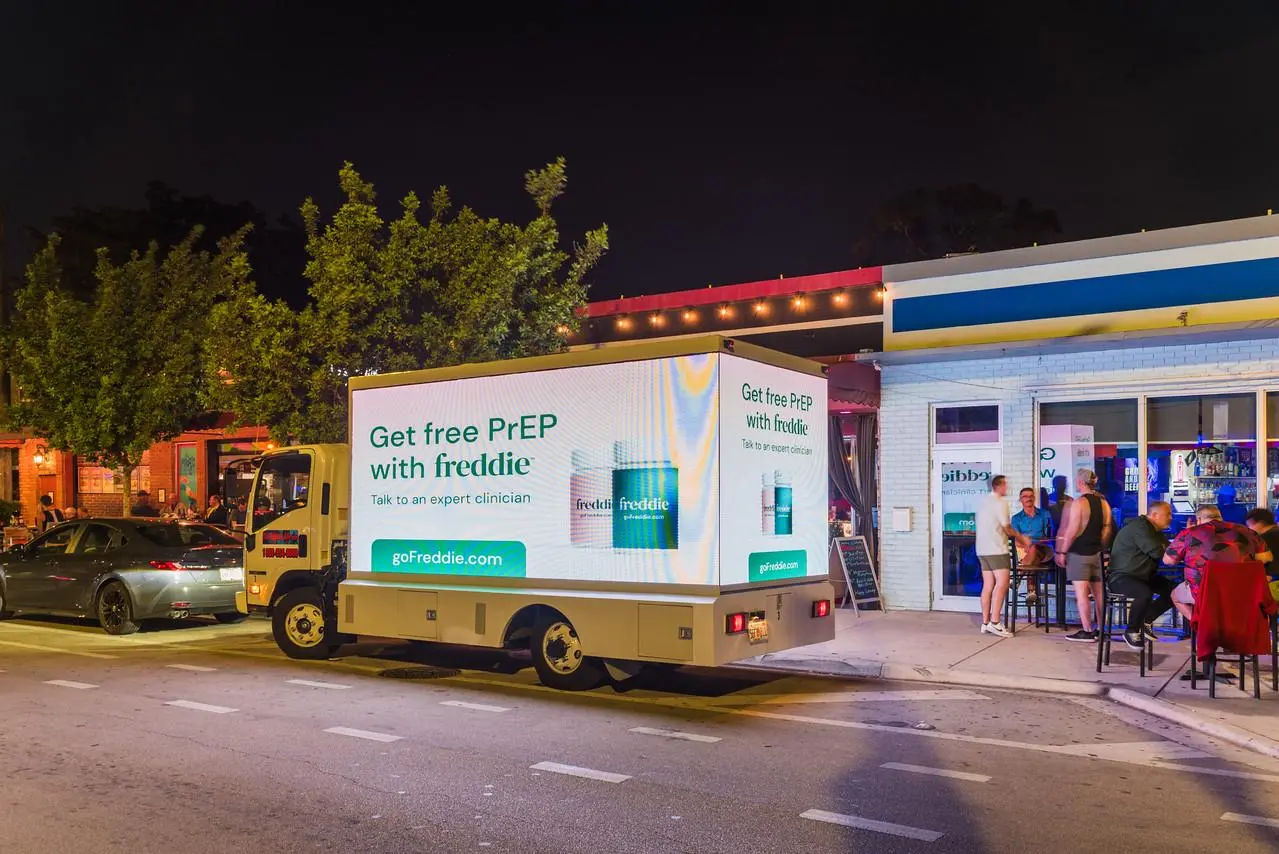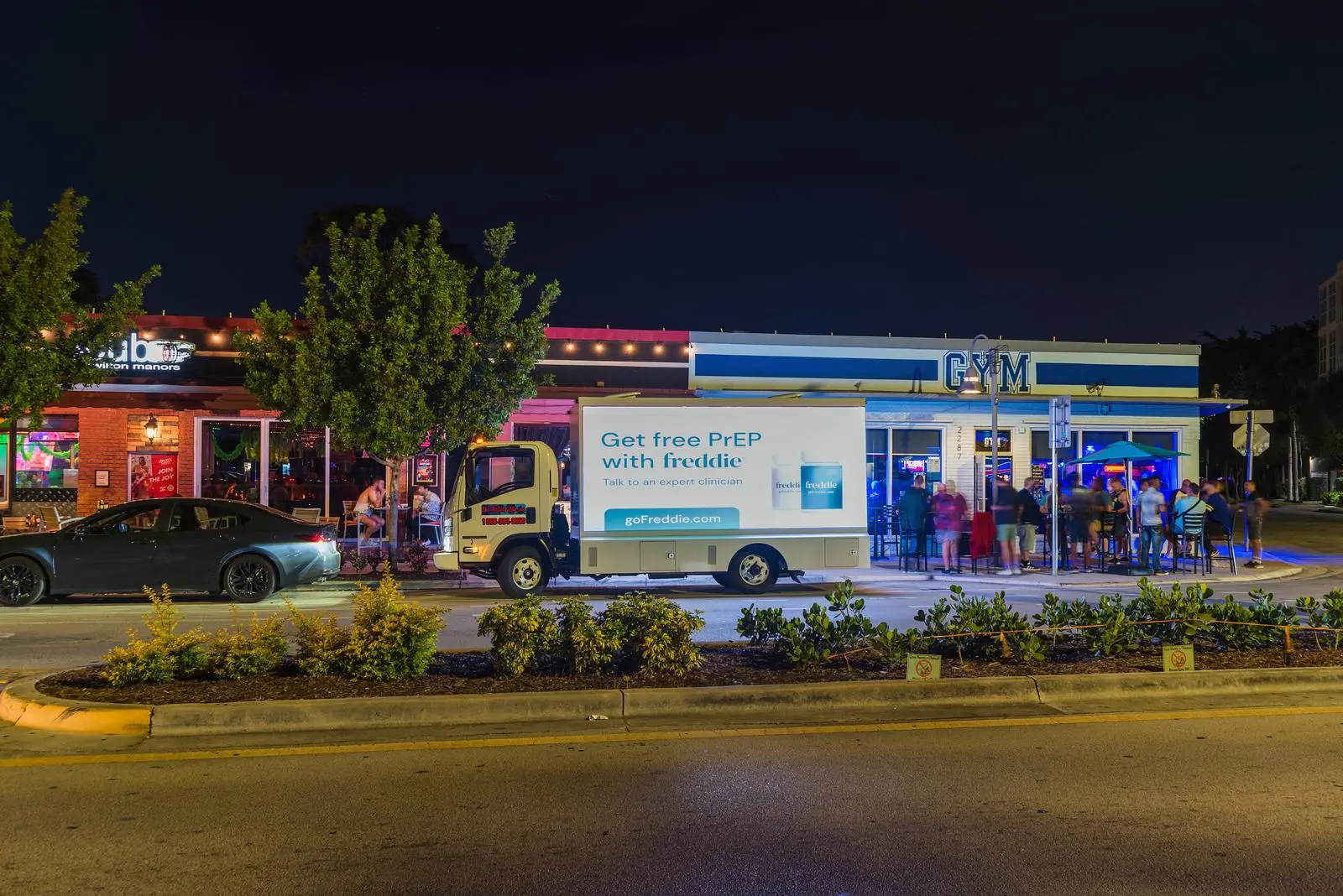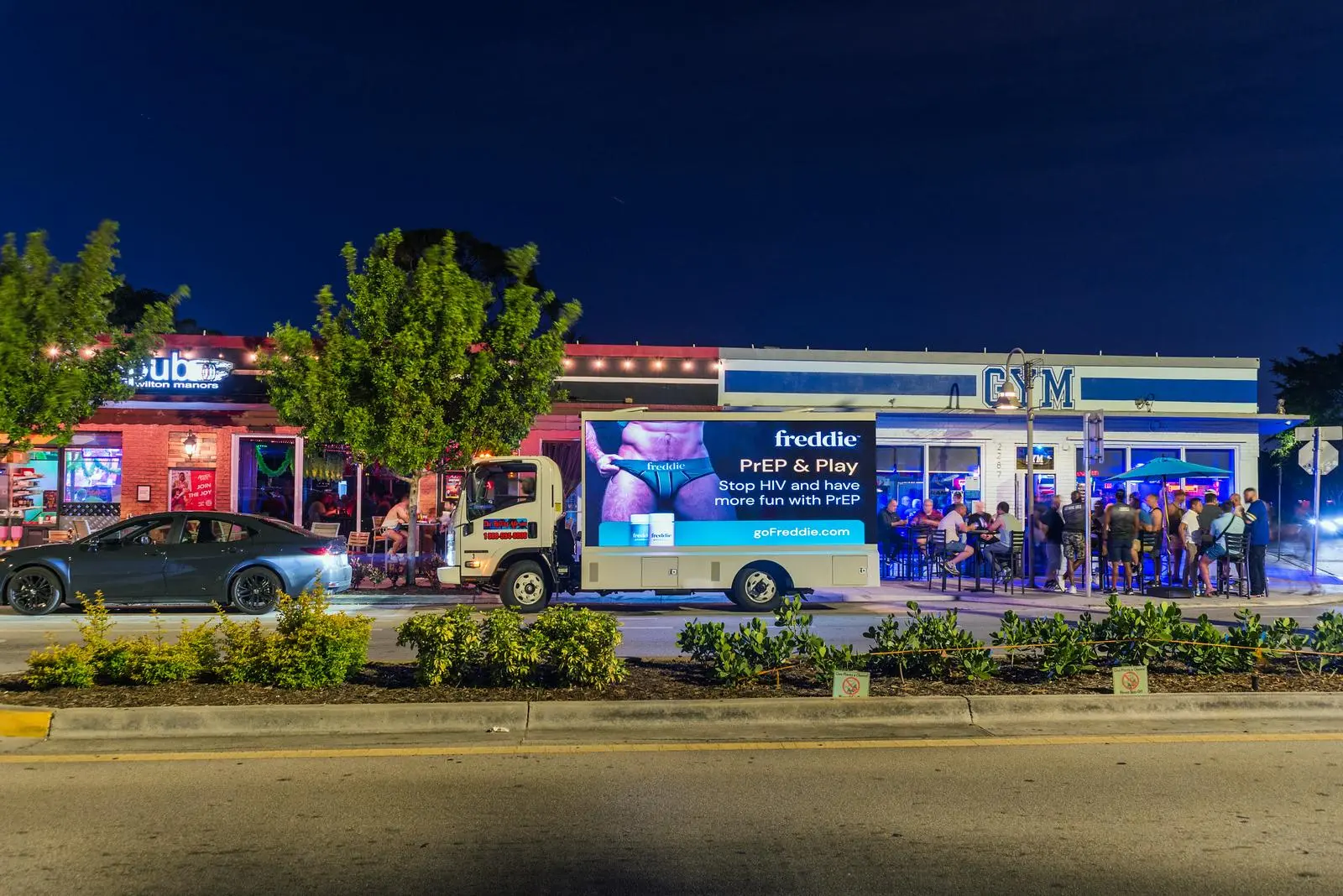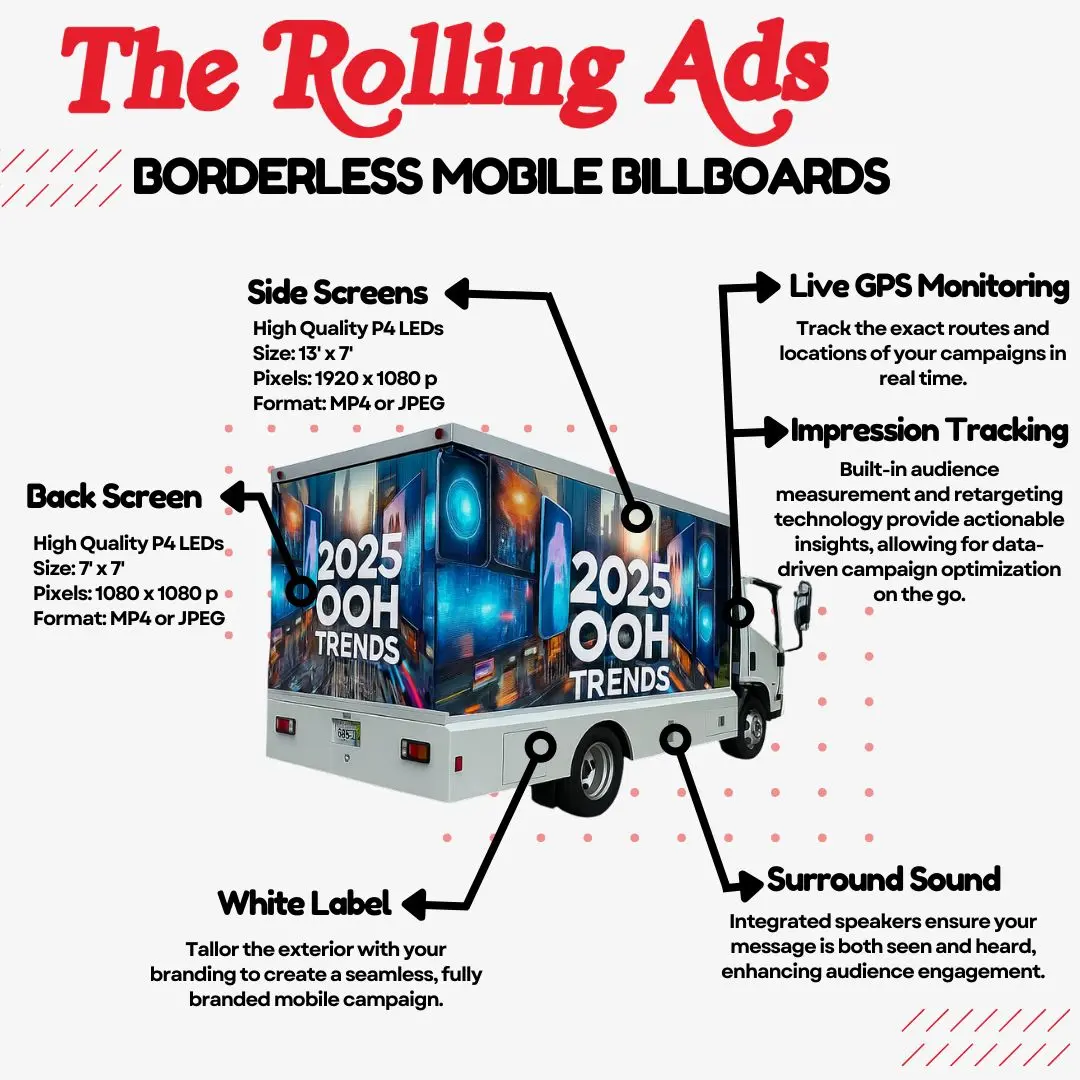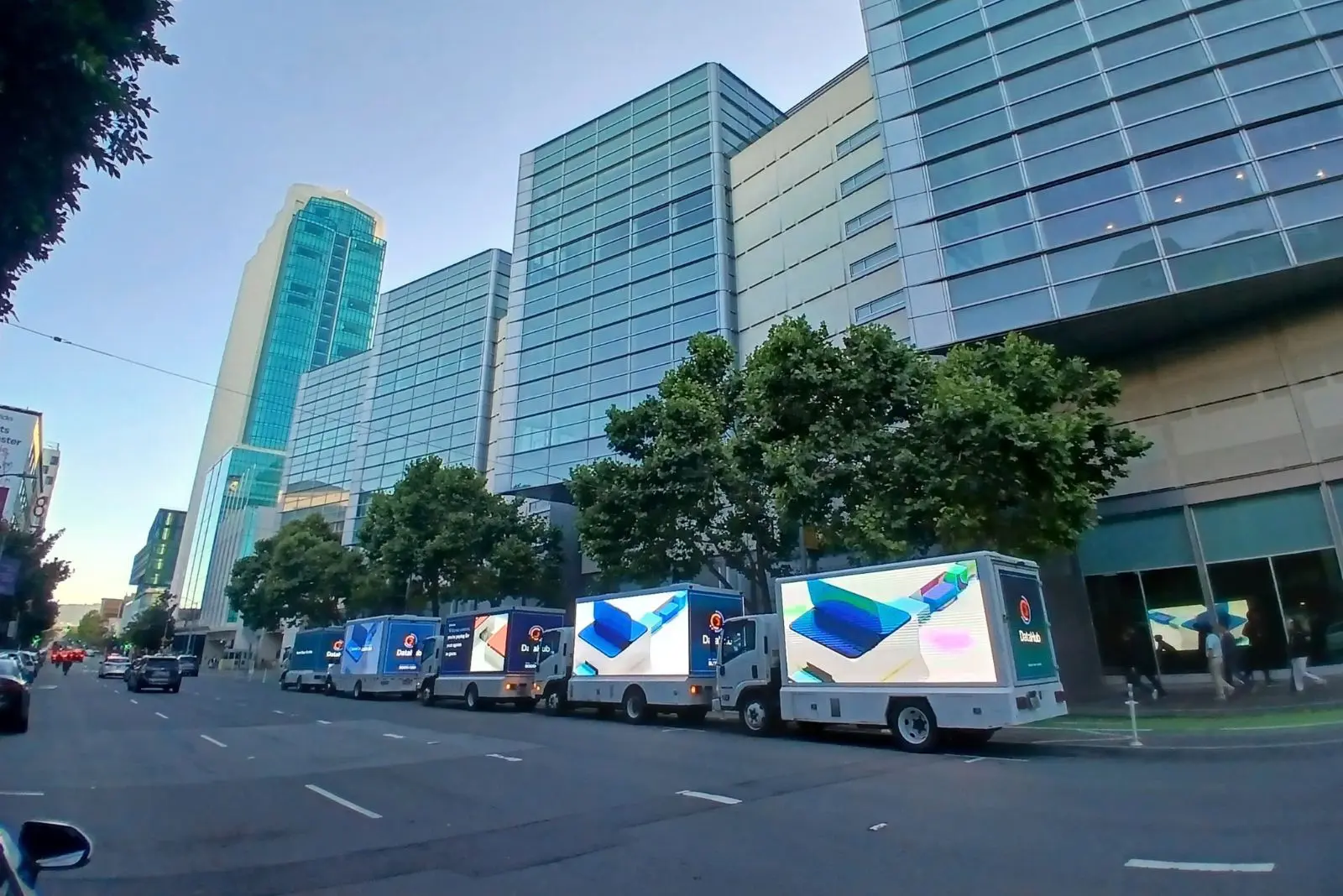
A mobile billboard gives a campaign something yard signs and static boards cannot: a message that shows up where voters are on a given day, changes overnight and can be pointed at one district instead of a whole metro. For local and state races, where a few thousand votes decide the result and TV is either too expensive or too broad, an LED truck is one of the few outdoor formats a campaign can book on short notice and steer precisely. The catch is that political advertising has its own rules, so the planning looks different from a product launch.
Below is how campaigns actually use trucks, from the first name recognition push to Election Day, plus the legal details that trip up first-time buyers.
Where a Truck Fits in a Campaign Budget
Most campaigns do not need a truck for months. They need it for specific windows when attention is concentrated and the message is simple:
- Launch and name recognition. A newcomer in a city council or school board race often has almost zero name ID. A week of a truck driving the district with a face, a name and one line does more for recall than another round of door hangers.
- Early voting. Many states open early voting one to three weeks before Election Day. This is when “Vote early at…” messages with locations and hours are most useful.
- Debates, rallies and town halls. A truck parked near the venue entrance reaches press, volunteers and undecided attendees in one place.
- The final 72 hours. Get-out-the-vote reminders: the date, polling hours, a short URL to find a polling place.
Spread across a whole cycle, a truck is a thin layer. Concentrated into these four windows, it becomes one of the most visible things the campaign does.
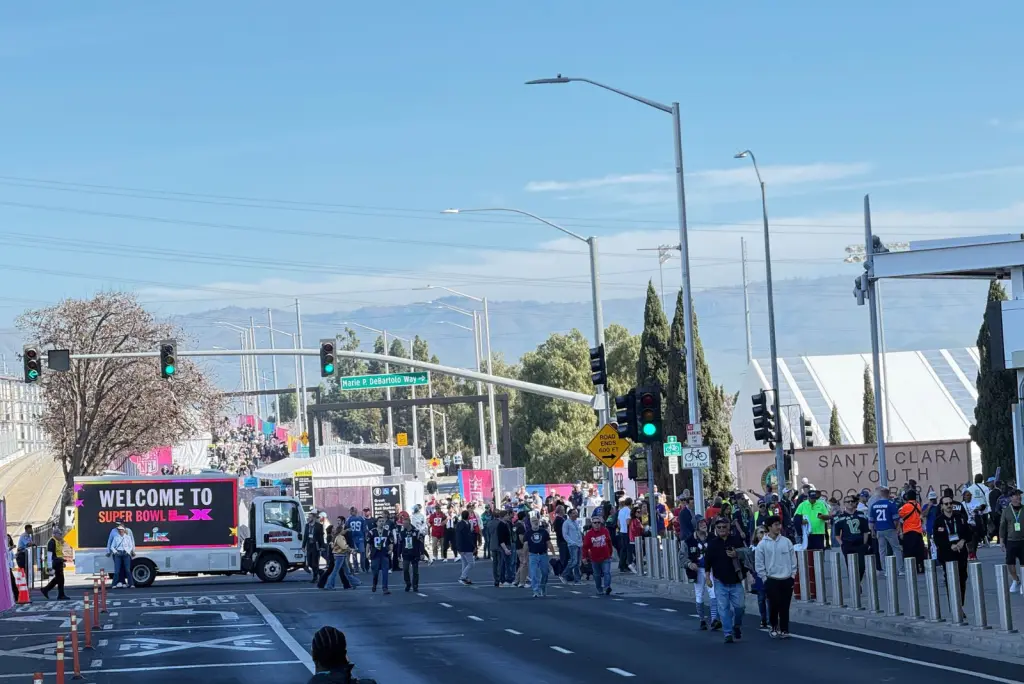
Route by Precinct, Not by Traffic Count
Commercial campaigns chase impressions. Political campaigns should chase eligible voters inside the district. A highway with 200,000 cars a day is a poor route if 90% of those drivers cannot vote for your candidate.
Start with the campaign’s own targeting data: the precinct list from the voter file, turnout history and the areas the field team flagged as persuadable. Then build routes from that map. A good mobile billboard provider will help you turn precinct boundaries into loops, and GPS tracking lets you confirm the truck actually spent its hours inside the district. Our guide on geo-targeting with mobile billboards covers how route planning works in more detail.
| ❌ Weak route plan | ✅ Strong route plan |
|---|---|
| Highest-traffic roads in the metro | Commercial corridors and main streets inside the district lines |
| Same loop every day | Loops rotated by precinct, weighted toward persuadable and low-turnout areas |
| Driving all day at random | Parked at grocery stores, transit stops and community events during peak hours, driving between them |
| Downtown business district on weekends | Residential commercial strips on weekends, business district on weekday lunch hours |
The Disclaimer Rule Most First-Time Buyers Miss
Federal candidates and committees must include a “paid for by” disclaimer on public communications, and the Federal Election Commission rules treat outdoor advertising as a public communication. For printed formats, the FEC requires the disclaimer to be clearly readable, set apart from the rest of the message and in sufficient type size. State and local races are governed by state election law, and nearly every state has its own version of the “paid for by” requirement, often with specific wording.
On an LED truck this matters more than on paper, because a digital screen rotates. If your ad runs as a sequence of slides, the safest approach is to keep the disclaimer on every frame, not only on the last one. Ask your campaign’s compliance attorney or treasurer to approve the final artwork before it goes on the screen. The truck operator is not your compliance department.
| ❌ Risky | ✅ Safer |
|---|---|
| Disclaimer only on the final slide of a 4-slide loop | “Paid for by Smith for Council” on every slide, bottom strip |
| Tiny gray text that disappears at 30 feet | High-contrast text sized to be readable from the sidewalk |
| Wording improvised by the designer | Exact wording approved by the treasurer or counsel for your state |
Polling Place Buffer Zones on Election Day
Every state restricts campaigning near polling places on voting days, including early voting days. The distance varies by state: California and Texas use 100 feet, Florida uses 150 feet, and other states set their own lines. Inside that zone, a truck displaying a candidate message can count as electioneering.
The practical rule: on any day when voting is open, keep the truck well outside the buffer and do not park it in a polling place lot. Route it along the roads voters use to get there instead. Some counties also have rules on parking campaign vehicles near early voting sites, so check with your county election office before the early voting period starts.
Messages That Work on a Moving Screen
People see a truck for a few seconds. That rules out policy platforms. The ads that work in campaigns follow a few patterns:
- Name, office, one idea. “Maria Lopez. City Council, District 4. Fix our streets.” Three lines, readable from across an intersection.
- Action plus date. “Early voting ends Friday. Vote at the Main St. library.” Specific beats inspirational in the final week.
- Local proof. An endorsement from a known local group or a recognizable neighborhood landmark builds trust faster than a slogan.
- A short URL or QR code for a polling place finder or volunteer sign-up. Keep it short enough to remember; more on that in our post on mobile billboards and QR codes.
Digital trucks also let you run several versions at once. A Spanish-language version for specific neighborhoods is a common split; our post on Spanish-language mobile billboards covers how to do that well. And because the screen can change overnight, you can respond to news: an endorsement that lands Tuesday can be on the street Wednesday morning.
Ballot Measures and Issue Campaigns
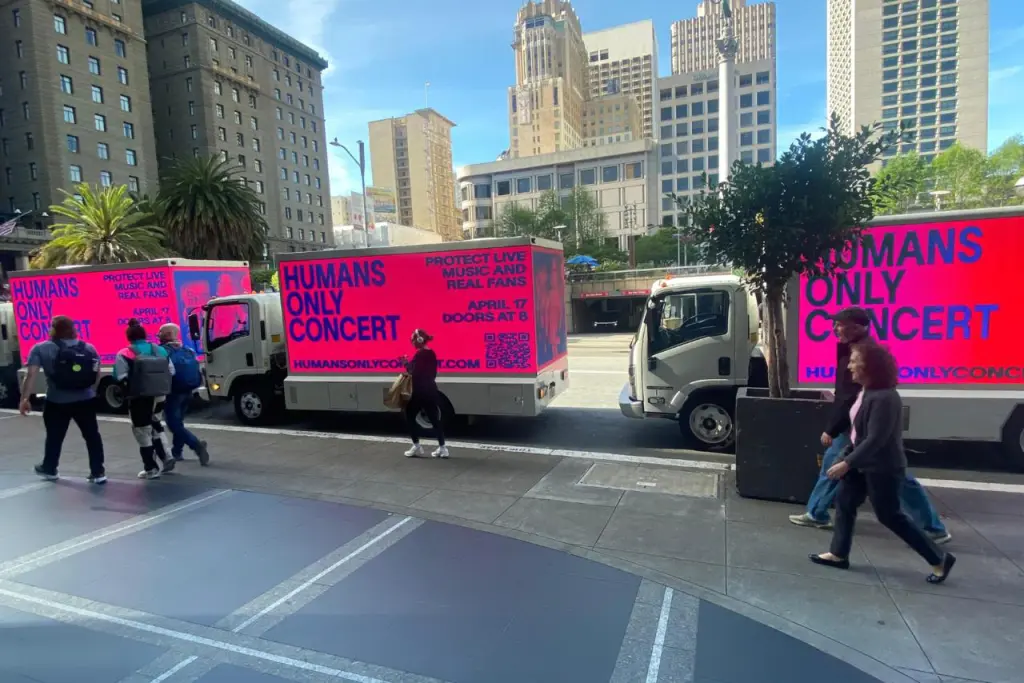
Ballot measure committees and advocacy groups use trucks the same way, with two differences. First, disclosure rules for ballot measure committees can be stricter than for candidates; California, for example, requires top funder disclosures on many ballot measure ads. Second, issue campaigns often benefit from parking at public hearings, city council meetings and the state capitol on key vote days, where the audience is decision makers and press rather than voters.
A Simple Campaign Timeline
| When | What the truck does |
|---|---|
| 8 to 10 weeks out | Book dates for early voting and the final weekend. Those dates sell out first in busy election years. |
| 4 to 6 weeks out | Name recognition run: 3 to 5 days in the district’s highest-density areas. |
| Early voting window | “Vote early” message with locations and hours, routed past early voting sites (outside the buffer). |
| Final 72 hours | GOTV: date, hours, polling place finder. Weekend events and transit hubs. |
| Election Day | Morning and evening commute routes. No parking near polling places. |
Pricing for political work follows the same logic as any other campaign: hours, number of trucks and city. Our 2026 mobile billboard pricing guide breaks down typical rates.
How to Tell If It Worked
Campaigns rarely get clean attribution, but a truck campaign can still be measured. Use a unique short URL or QR code only on the truck, compare volunteer sign-ups and site traffic during truck days versus off days, and ask canvassers to log whether voters mention seeing the truck. GPS reports show exactly which precincts got coverage, which helps the field team decide where to send volunteers next.
Plan Your Campaign Truck
We run LED billboard trucks for campaigns in major U.S. markets and can build routes from your precinct list, schedule early voting and GOTV runs, and provide GPS reports after each day. Book early: the last two weeks before an election are the busiest dates of the year.
Frequently Asked Questions
Do political ads on a mobile billboard need a “paid for by” disclaimer?
Yes. Federal candidates must follow FEC disclaimer rules for outdoor advertising, and almost every state has its own disclaimer law for state and local races. On a rotating LED screen, keep the disclaimer on every slide.
Can a campaign truck park near a polling place?
Not inside the electioneering buffer zone, which is set by state law (100 feet in California and Texas, 150 feet in Florida). Keep the truck outside the zone and off polling place property on any day voting is open.
When should a campaign book a mobile billboard?
Book 8 to 10 weeks before the election. Early voting periods and the final weekend before Election Day are the first dates to sell out.
Can we change the ad during the campaign?
Yes. LED trucks display digital files, so you can swap creative overnight to add an endorsement, change the call to action or run a different version in each neighborhood.
Are mobile billboards good for small local races?
They are often a better fit for local races than for statewide ones, because the district is small enough for a truck to cover several times a day and every impression lands on someone who can vote for the candidate.